






What's Happening?
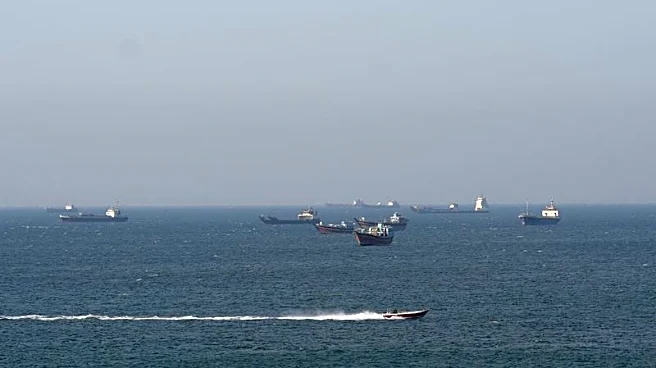
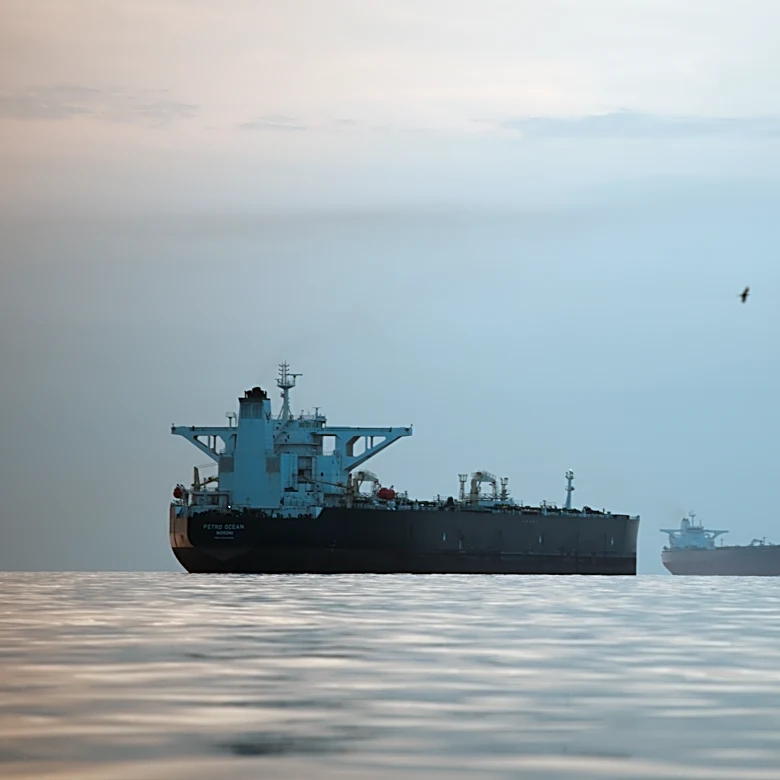
Merchant vessels navigating the Strait of Hormuz have reportedly come under fire, raising concerns about maritime security and global oil supply. According to reports from Reuters and Al Jazeera, commercial ships attempting to cross this critical oil transit
route faced gunfire, prompting distress alerts and route changes. The incidents involved small arms fire, though the extent of damage and casualties is unclear. The Strait of Hormuz is a vital chokepoint for global crude oil shipments, and any disruption can have immediate effects on oil prices and supply chains. The situation is exacerbated by rising tensions between the United States and Iran, with increased naval deployments in the region.
Why It's Important?
The Strait of Hormuz is a strategic maritime passage through which a significant portion of the world's oil supply is transported. Disruptions in this area can lead to volatility in global oil markets, affecting prices and supply chains worldwide. The recent incidents highlight the geopolitical tensions in the region, particularly between the U.S. and Iran. These tensions could escalate into broader conflicts, impacting global trade and energy security. Shipping companies may face increased insurance costs and reassess their risk exposure, potentially leading to higher operational costs and disruptions in global trade flows.
What's Next?
Global stakeholders, including the United Nations, are calling for restraint and the protection of international shipping lanes. Maritime agencies are monitoring vessel movements and issuing advisories to ensure safety. The situation remains fluid, with potential for further escalation if tensions are not managed. Continued instability in the Strait of Hormuz could lead to prolonged disruptions in global energy markets, necessitating diplomatic efforts to de-escalate tensions and ensure the security of this critical maritime route.