








What's Happening?
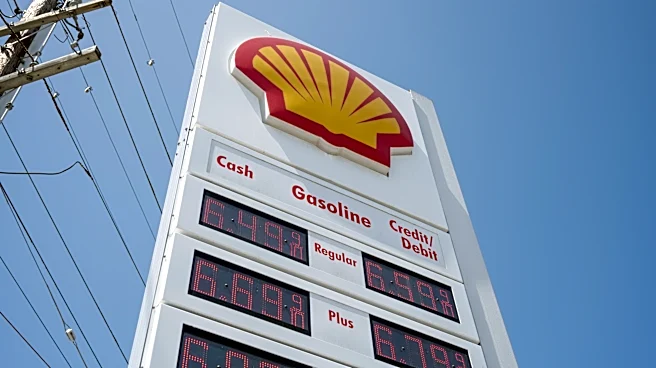
The price of a gallon of gasoline in the U.S. is composed of four main factors: crude oil (approximately 50%), refining costs (around 17%), distribution and marketing (about 17%), and taxes (roughly 16%). Crude oil prices, determined by a global market,
are the most volatile component and typically drive price fluctuations. The federal gas tax, currently 18.4 cents per gallon, has not been raised since October 1, 1993, meaning it has lost significant purchasing power due to inflation over more than 30 years. Similarly, Wisconsin's state gas tax has been frozen since 2006, when indexing to the Consumer Price Index (CPI) was eliminated. Gas stations themselves typically have thin margins on fuel sales, making most of their profit from convenience store items.
Why It's Important?
The stagnation of the federal gas tax has significant implications for U.S. infrastructure funding. The federal gas tax is a primary source of revenue for the Highway Trust Fund, which finances road and bridge construction and maintenance. With its purchasing power eroded by inflation, the fund faces increasing shortfalls, impacting the quality and safety of national transportation networks. States like Wisconsin, which also have frozen gas taxes, experience similar challenges, with an estimated $4 billion in lost transportation revenue. This underfunding can lead to deferred maintenance, increased congestion, and higher costs for commuters and businesses. Understanding these components is crucial for informed public discourse on energy policy, infrastructure investment, and taxation.
What's Next?
The ongoing debate about infrastructure funding will likely continue, with calls for increasing the federal gas tax or exploring alternative revenue streams. Any proposal to raise the gas tax would face political challenges, given its direct impact on consumers. States may also re-evaluate their own gas tax structures, potentially considering re-indexing to inflation or implementing new fees. The long-term shift towards electric vehicles further complicates the issue, as these vehicles do not contribute to gas tax revenue, necessitating new funding models for road maintenance. Discussions will focus on ensuring sustainable funding for transportation infrastructure while balancing economic impacts on consumers and businesses.
Beyond the Headlines
The static federal gas tax reflects a broader political challenge in the U.S. regarding taxation and public investment. The reluctance to raise taxes, even for essential services like infrastructure, highlights a deep-seated political gridlock and a public aversion to increased costs. This situation creates a hidden tax on the public through deteriorating infrastructure, increased vehicle wear and tear, and longer commute times. The reliance on convenience store sales for gas station profitability also underscores the evolving business model of fuel retailers, adapting to thin margins on their primary product. This economic reality influences urban planning, local commerce, and the overall consumer experience at gas stations.