




What's Happening?
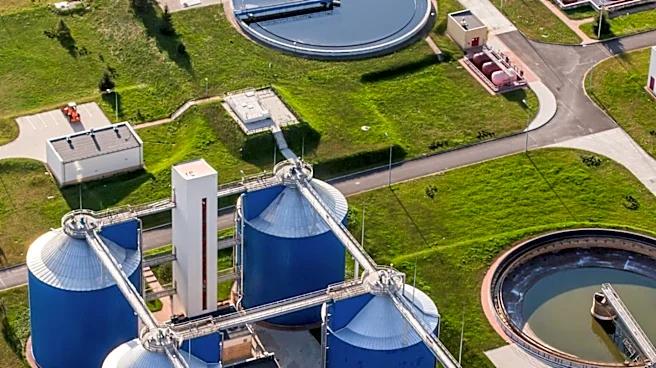
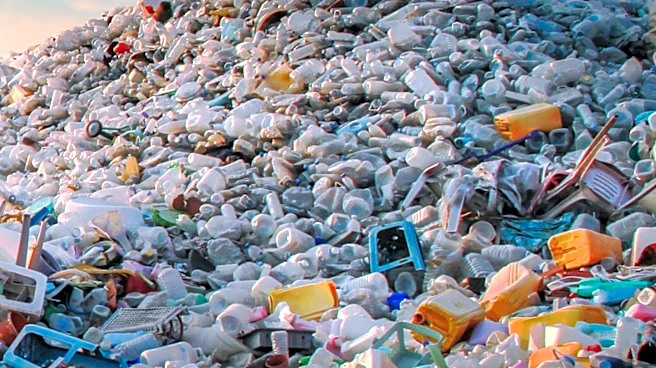
Zero waste processing plants are facilities designed to significantly reduce the amount of waste sent to landfills by integrating various waste processing and resource recovery activities. These plants aim to recover, reuse, recycle, or convert materials
into useful resources, moving beyond traditional disposal methods. The concept emphasizes diverting materials from landfills through processes like sorting, shredding, crushing, compacting, organic waste treatment, and material recovery. While the goal is to minimize residual material, it's understood that some waste may still remain, with strategies focusing on reducing disposal as much as technically and economically feasible. The specific processes within a plant depend on the type of waste being handled, but generally involve initial sorting and classification to separate materials like plastics, cardboard, metals, and organic matter, followed by size reduction and resource recovery. This approach is supported by smart technology, which enhances efficiency and consistency in waste processing.
Why It's Important?
The implementation of zero waste processing plants is crucial for addressing the growing global waste crisis and promoting sustainable resource use. By diverting waste from landfills, these facilities reduce environmental impact and conserve valuable materials that would otherwise be discarded. This shift from a linear 'take-make-dispose' model to a more circular economy approach creates new business opportunities in material recovery, recycling, and manufacturing. Improved sorting and processing, facilitated by smart technology, can lead to higher quality recovered materials, increasing their economic value and market demand. Furthermore, these plants contribute to broader sustainability goals by reducing greenhouse gas emissions associated with waste decomposition in landfills and fostering greener consumption habits. The success of such initiatives can inspire communities and businesses to adopt more sustainable practices, leading to a healthier and more connected environment.
What's Next?
The future of waste management is increasingly focused on resource recovery, with integrated waste processing systems becoming more relevant as circular economy principles develop. Businesses and communities are expected to continue exploring ways to keep useful materials within the economy for longer periods. This will involve further investment in smart processing technology to improve sorting, reduce material volume, and increase recovery opportunities. The challenges of developing these plants, such as varying waste composition, contamination, and inconsistent waste volumes, will need to be addressed through careful planning and technology selection. Regulatory considerations, initial investment, maintenance, energy consumption, and workforce requirements will also play a significant role in the successful expansion of zero waste processing initiatives. International cooperation and the adoption of common standards, as highlighted by discussions at the UN General Assembly, will be vital for scaling these efforts globally.
Beyond the Headlines
The zero waste movement extends beyond technological solutions, necessitating a fundamental shift in global consumption habits and mindsets. As emphasized by Emine Erdoğan, the climate crisis is not solely due to fossil fuels and industrial emissions but also a global consumption model that drives continuous production and waste. This highlights the ethical and cultural dimensions of waste management, urging individuals, governments, and companies to reduce excess, change systems, and rebuild a balanced relationship with nature. The disproportionate environmental burden of waste, particularly plastic, underscores the need for equitable solutions. The success of zero waste initiatives relies not just on advanced processing plants but also on fostering a collective responsibility to minimize waste at its source, promoting durable and reusable products, and establishing infrastructure that supports sustainable choices. This holistic approach aims to transform individuals from passive observers into active participants in climate action.