
What's Happening?
Russia's Yamal LNG project is encountering significant logistical challenges as it attempts to redirect its liquefied natural gas exports from Europe to Asia. This shift comes in response to the European
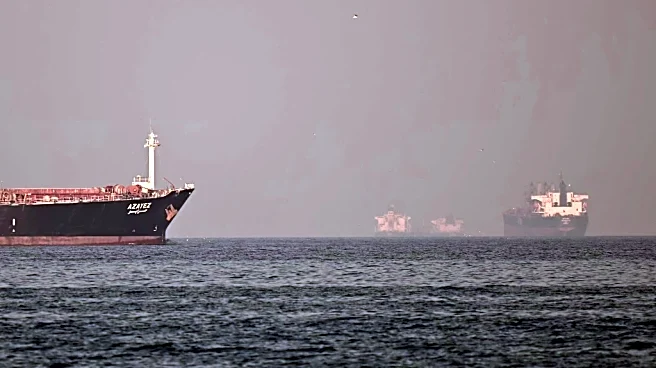
Union's decision to ban Russian LNG imports starting in January 2027. Currently, the majority of Yamal LNG shipments are destined for European ports, with France and Belgium being the primary recipients. However, the ongoing conflict in the Middle East has complicated this dynamic, as Europe remains the largest customer for Yamal LNG. In February, all Yamal LNG exports were directed to Europe, with no shipments to Asia, highlighting the logistical hurdles Russia faces in pivoting to Asian markets. The Center for High North Logistics in Norway has identified that the existing Russian LNG fleet, which includes various classes of ice-capable vessels, will struggle to maintain current export volumes if shipments are redirected to Asia due to longer distances and limited navigation options during winter months.
Why It's Important?
The logistical challenges faced by Russia in redirecting Yamal LNG exports to Asia have significant implications for global energy markets. As Europe seeks to reduce its reliance on Russian energy, the shift to Asian markets is crucial for Russia to maintain its LNG export levels. However, the logistical constraints, including the need for additional ice-class vessels and increased transshipment capacity, pose a threat to Russia's ability to sustain its current export volumes. This situation could lead to increased competition for LNG supplies in Asia, potentially driving up prices and affecting energy security in the region. Additionally, the ongoing Middle East conflict may further complicate energy supply chains, impacting global energy markets and geopolitical dynamics.
What's Next?
To address the logistical challenges, Russia may need to expand its ice-class fleet and increase transshipment capacity to facilitate the long voyage to Asia. This could involve chartering additional tankers and exploring alternative routes, such as the Suez Canal or Cape of Good Hope, during the winter months. The success of these efforts will be critical for Russia to maintain its market presence in Asia and offset the loss of European customers. The situation also underscores the need for strategic planning and investment in infrastructure to support the evolving energy landscape. Stakeholders in the global energy market will be closely monitoring these developments, as they could have far-reaching implications for energy supply and pricing.