


What's Happening?
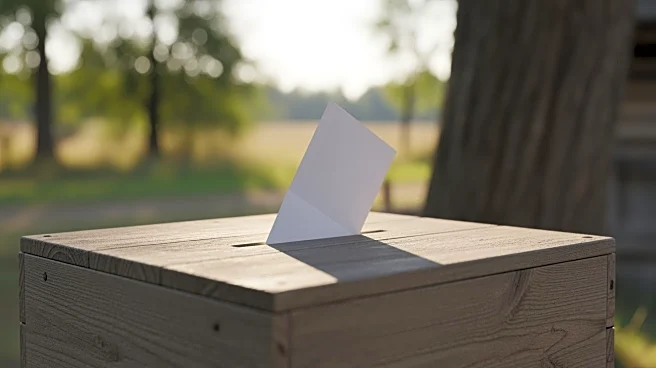
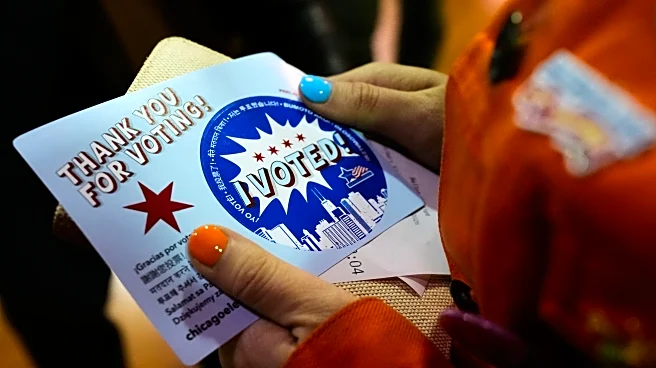
In Alaska, a significant concern is arising over a U.S. Supreme Court case that could potentially end the state's practice of accepting ballots postmarked by Election Day but received afterward. This practice is crucial for many rural communities in Alaska, where
geographical isolation and reliance on air transport for mail delivery make timely ballot submission challenging. The case, originating from Mississippi, questions the legality of counting ballots received after Election Day in federal elections. Alaska, with its vast distances and unique voting logistics, allows a 10-day grace period for ballots to be counted, extending to 15 days for overseas voters. This system is vital for ensuring that votes from remote areas, such as the Alaska Native village of Beaver, are counted. The Supreme Court's decision could disenfranchise thousands of voters in these communities, as highlighted by local leaders and voting rights advocates.
Why It's Important?
The outcome of this Supreme Court case holds significant implications for voting rights and election processes in Alaska and potentially other states. If the court rules against the grace period, it could lead to widespread disenfranchisement, particularly among rural and Native Alaskan voters who already face logistical challenges in casting their votes. The decision could set a precedent affecting mail-in voting nationwide, aligning with broader political efforts to tighten voting regulations. This case also intersects with ongoing legislative debates, such as the proposed SAVE America Act, which seeks to impose stricter voting requirements. The potential changes could alter the accessibility and fairness of elections, impacting voter turnout and representation, especially in remote and underserved areas.
What's Next?
The Supreme Court's decision on this case will be closely watched, as it could prompt legislative and logistical adjustments in how elections are conducted in Alaska and beyond. Should the court rule against the grace period, Alaska may need to explore alternative methods to ensure timely ballot delivery and counting, possibly involving increased investment in infrastructure or changes in election procedures. Political leaders and advocacy groups are likely to respond with campaigns to protect voting rights and address potential disenfranchisement. The decision could also influence future legislative efforts at both state and federal levels, as stakeholders seek to balance election integrity with voter accessibility.
Beyond the Headlines
This case highlights broader issues of voting accessibility and the unique challenges faced by rural and indigenous communities in the U.S. The potential ruling underscores the tension between federal election standards and state-specific needs, particularly in geographically vast and diverse regions like Alaska. It raises questions about the balance between preventing voter fraud and ensuring that all citizens have a fair opportunity to participate in the democratic process. The case also reflects ongoing national debates about voting rights, election security, and the role of the judiciary in shaping electoral policies.