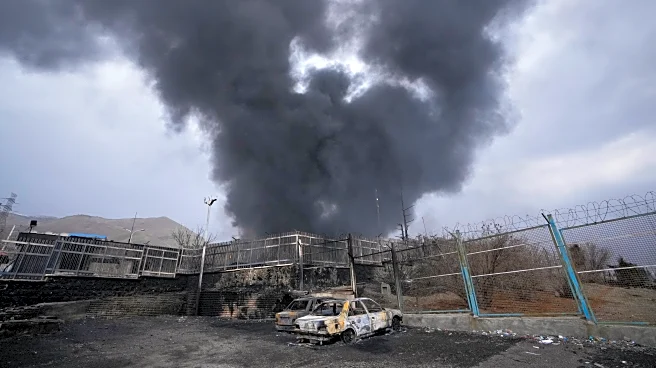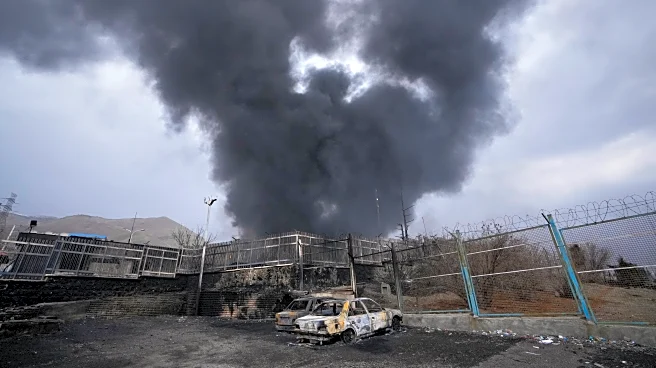


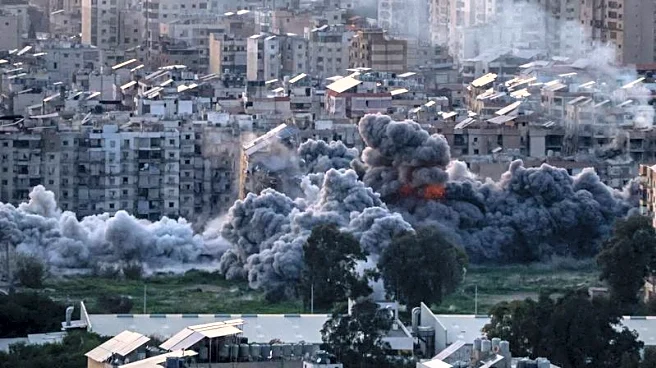

What's Happening?
The conflict in Iran has led to a surge in oil prices, which is having a significant impact on African economies. As most African countries are net importers of petroleum products, they are particularly vulnerable to disruptions in oil supply. The increase
in oil prices is causing higher fuel costs, rising inflation, and pressure on currencies across the continent. This situation is similar to the economic challenges faced during Russia's invasion of Ukraine in 2022, which also led to increased energy costs and economic instability.
Why It's Important?
The rise in oil prices poses a significant challenge for African economies, many of which are already struggling with economic instability. Higher fuel costs can lead to increased transportation and production costs, which may be passed on to consumers in the form of higher prices for goods and services. This can reduce consumer spending power and slow economic growth. Additionally, the situation highlights the vulnerability of African economies to global supply chain disruptions and underscores the need for diversified energy sources and supply routes.
What's Next?
As the conflict in Iran continues, it is likely that oil prices will remain volatile, with potential further increases if the situation escalates. This could lead to more pronounced economic impacts, including higher inflation and potential slowdowns in economic growth. Policymakers and businesses may need to consider strategies to mitigate these effects, such as seeking alternative energy sources or implementing measures to stabilize prices. Additionally, the situation may prompt further discussions on energy security and the need for international cooperation to address geopolitical risks.
Beyond the Headlines
The current crisis may reinforce calls for African nations to diversify their energy systems and reduce dependence on imported fuels. Achieving long-term energy security and sovereignty will require balancing short-term fiscal pressures with investments in clean energy and green industrialization. This strategic shift could help mitigate the impact of future geopolitical tensions on African economies.