




What's Happening?
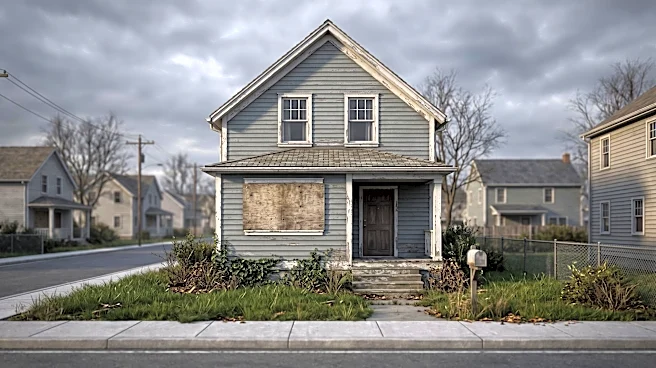
Second Avenue, a property company owning 100 properties in Cincinnati, faced city leaders during a public safety meeting following the fatal shooting of a 14-year-old boy outside one of its vacant homes in East Price Hill. The company informed council
members that the property had issues with trespassers. This meeting occurred more than three weeks after the incident. The city had previously filed a lawsuit against Second Avenue a year prior due to the conditions of its properties. Four days before the shooting, Cincinnati police visited the home after receiving a complaint. Second Avenue stated it was aware of the trespassing issues and was attempting to evict individuals. The day after the shooting, an inspection by the city deemed the property unsafe, leading to a vacate order. According to David Stewart, Second Avenue’s Cincinnati field manager, the problems began in June after a tenant moved out, and despite immediate cleanup, trespassers subsequently occupied the property.
Why It's Important?
This incident highlights significant concerns regarding property management, urban blight, and public safety in Cincinnati. The confrontation between city leaders and Second Avenue underscores the challenges municipalities face in holding large property owners accountable for the conditions of their vacant properties. Council members expressed frustration over the company's perceived inaction, with one council member noting that it shouldn't take a death to prompt such a level of scrutiny. The situation also brings to light the broader impact of neglected properties on communities, contributing to crime and a diminished quality of life for residents. The fact that Second Avenue is a private equity-backed company with substantial institutional capital further amplifies questions about corporate responsibility in urban development and property maintenance, especially when only about half of its inspected properties have passed city standards, significantly below the HUD average failure rate of 18%.
What's Next?
Cincinnati city council members have indicated they will continue to pursue action against Second Avenue. Council member Scotty Johnson stated that the company could "get in line with other corporations that we've sued here recently," suggesting further legal measures are possible. Due to the city's ongoing lawsuit against Second Avenue, the company's properties are subject to continued inspections. So far, 60 of its 100 properties have been inspected, with only approximately half passing. This ongoing scrutiny will likely lead to more enforcement actions and potential fines if property conditions do not improve. The city's continued pressure could also prompt Second Avenue to implement more robust property management and security measures to address trespassing and property deterioration, potentially setting a precedent for how other large property owners are held accountable in Cincinnati.
Beyond the Headlines
The tragic death of the 14-year-old boy outside a vacant property managed by Second Avenue exposes deeper systemic issues beyond just property maintenance. It touches upon the intersection of urban decay, corporate responsibility, and community safety. The council members' frustration points to a broader sentiment that large, well-funded corporations may not be adequately investing in the upkeep of their assets in urban areas, leading to negative externalities for residents. This situation could spark a wider debate on the ethical obligations of private equity firms that acquire extensive property portfolios in cities, particularly concerning their role in contributing to or alleviating urban problems. It also raises questions about the effectiveness of current city ordinances and enforcement mechanisms in preventing such tragedies and ensuring that property owners are held to a higher standard of care for their holdings.