



What's Happening?
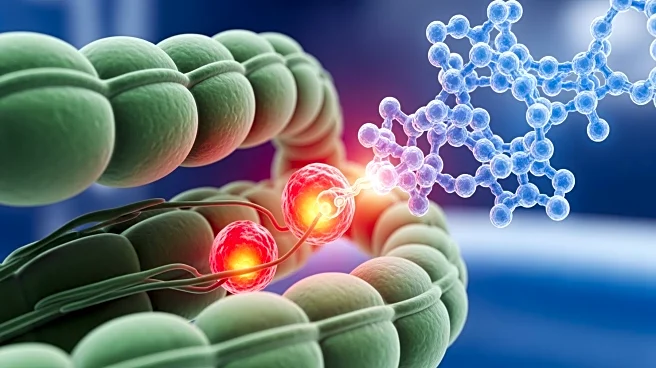
Researchers at Umeå University in Sweden have discovered that a toxin produced by the cholera bacterium, Vibrio cholerae, can selectively target and slow the growth of colorectal tumors without damaging healthy tissue. The study, published in Cell Death
& Disease, found that the toxin, known as MakA, alters immune activity within tumors, promoting long-term cancer control. This discovery offers a potential new approach to cancer treatment, focusing on therapies that target tumors precisely while sparing healthy cells.
Why It's Important?
Colorectal cancer is a major global health challenge, being the third most common cancer worldwide and a leading cause of cancer-related deaths. Current treatments, such as surgery, radiation, and chemotherapy, often come with significant side effects. The ability of MakA to target tumors without causing harm to healthy tissue represents a promising advancement in cancer therapy. This approach could lead to more effective treatments with fewer side effects, improving the quality of life for cancer patients and potentially increasing survival rates.
What's Next?
Further research is needed to explore the anti-cancer potential of MakA in other models and assess its suitability for clinical use. The findings suggest that bacterial molecules, traditionally studied for their role in disease, may offer unexpected tools for future cancer therapies. Researchers will likely focus on understanding the mechanisms by which MakA influences tumor and immune cell interactions, with the goal of developing new cancer treatments that harness these properties.