



What's Happening?
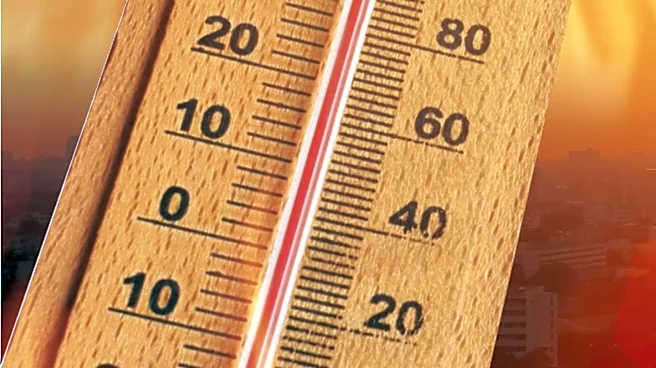
A report by the Climate Impact Lab, published on September 22, 2026, projects an additional 31,400 heat-related deaths in Nigeria between September 2026 and February 2027. This surge is attributed to an unusually strong El Niño weather pattern intensifying
global temperatures. The report, titled '451,000 at Risk: Where Action Can Save Lives During the Super El Niño,' indicates that Nigeria is expected to account for nearly half of the 66,800 projected deaths across the Sahel region. Globally, researchers anticipate 451,000 additional heat-related deaths during this period compared to a normal year, with global land temperatures expected to be 1.2 degrees Celsius above normal. This translates to 44% more extremely hot days than typically expected. Michael Greenstone, a co-founder of the Climate Impact Lab and a professor of Economics at the University of Chicago, emphasized that these figures represent real individuals, including parents, children, and neighbors, whose lives are at risk.
Why It's Important?
This projection highlights the severe human cost of climate change and the immediate dangers posed by extreme weather phenomena like El Niño. The disproportionate impact on Nigeria and the Sahel region underscores existing vulnerabilities in developing nations, where infrastructure and healthcare systems may be less equipped to handle such crises. The report's warning that these unusually high temperatures resemble conditions that climate change could make commonplace in about two decades serves as a stark 'postcard from the future,' indicating a long-term shift towards more frequent and intense heatwaves. This necessitates urgent global action on climate change mitigation and adaptation strategies to protect vulnerable populations and prevent widespread mortality. The economic and social stability of affected regions could also be severely strained by such a significant loss of life and the associated health burdens.
What's Next?
The report urges countries to prepare for the peak of the El Niño event, which is forecast to occur around the end of the year. The United Nations Secretary-General, Antonio Guterres, has called for immediate and radical action to achieve global carbon neutrality by 2040, describing the current climate situation as an 'era of global boiling.' Developed countries are specifically urged to commit to carbon neutrality as close to 2040 as possible, with emerging economies following suit by 2050. Public health officials, such as Dr. Isiaka Adekunle of the Osun State Ministry of Health, are advising residents on immediate protective measures, including wearing light clothing, staying hydrated, and ensuring proper ventilation. Dr. Rotimi Adesanya, a public health physician, also stresses the importance of recognizing warning signs of heat exhaustion and heatstroke and seeking prompt medical attention.
Beyond the Headlines
The findings from the Climate Impact Lab extend beyond immediate mortality figures, revealing deeper implications for global equity and climate justice. The concentration of projected deaths in regions like the Sahel highlights how climate change exacerbates existing inequalities, disproportionately affecting communities with fewer resources to adapt. The comparison of current El Niño conditions to future climate norms underscores the urgency of transitioning away from fossil fuels, as emphasized by UN Secretary-General Guterres. This situation also brings to light the ethical responsibility of developed nations, historically larger contributors to greenhouse gas emissions, to support vulnerable countries in building resilience against climate impacts. The long-term societal and economic disruptions from such heat-related mortality could include reduced productivity, increased healthcare burdens, and potential displacement, creating cascading challenges for global stability and development.