




What's Happening?
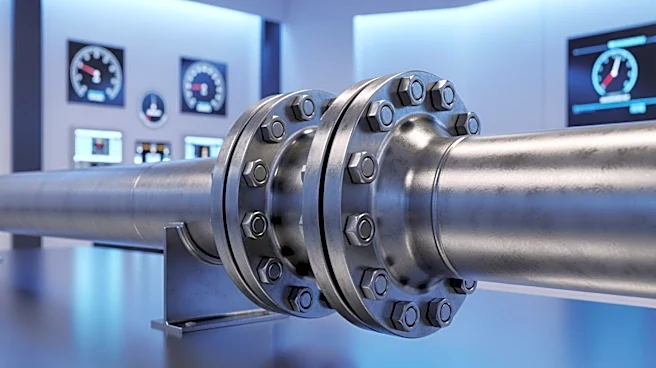
Myanmar and Thailand have agreed to enhance security measures along their joint natural gas pipelines and explore new drilling options to address declining output at a major offshore field. The decision follows a bilateral meeting between Myanmar's Union
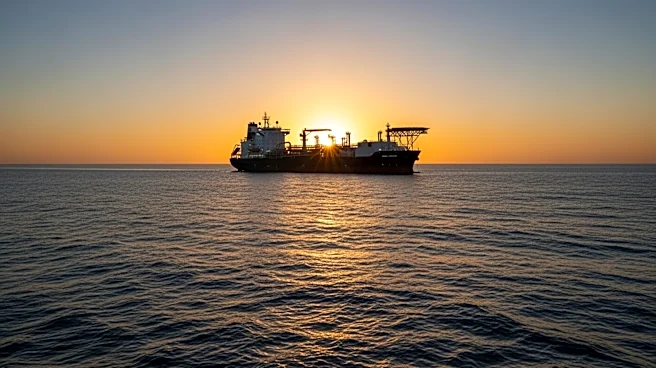
Minister for Electricity and Energy and the CEO of Thailand's PTTEP International Limited. The discussions focused on securing the pipeline infrastructure that connects Myanmar's gas fields to Thailand, which is crucial for both countries' energy needs. The meeting also addressed the declining output at the Yadana project in the Andaman Sea and explored technical solutions for drilling new wells. Additionally, the development of the M3 block, known as the Aung Thinkha project, was reviewed to support Myanmar's domestic electricity generation.
Why It's Important?
The collaboration between Myanmar and Thailand is vital for ensuring energy security in the region, as both countries rely heavily on natural gas for electricity generation. The enhanced security measures aim to protect critical infrastructure from potential threats, ensuring a stable energy supply. The exploration of new drilling options is crucial for maintaining production levels and meeting the growing energy demands of both nations. This cooperation also highlights the importance of regional partnerships in addressing energy challenges and securing long-term investment in the energy sector. The development of the M3 block is particularly significant for Myanmar, which faces electricity shortages.
What's Next?
The next steps involve implementing the agreed security measures and initiating new drilling operations to boost production. Both countries will continue to monitor the situation and adjust their strategies as needed to ensure a stable energy supply. The collaboration may lead to further investments in deepwater offshore projects, enhancing the region's energy infrastructure. Ongoing diplomatic engagements between Myanmar and Thailand will likely focus on strengthening energy ties and exploring additional opportunities for cooperation. The success of these initiatives could serve as a model for other countries facing similar energy challenges.