







What's Happening?
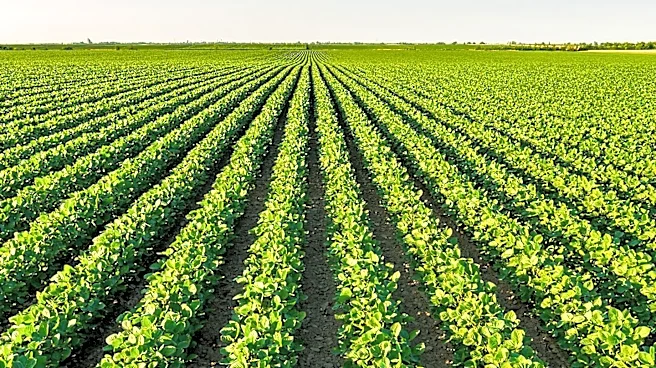
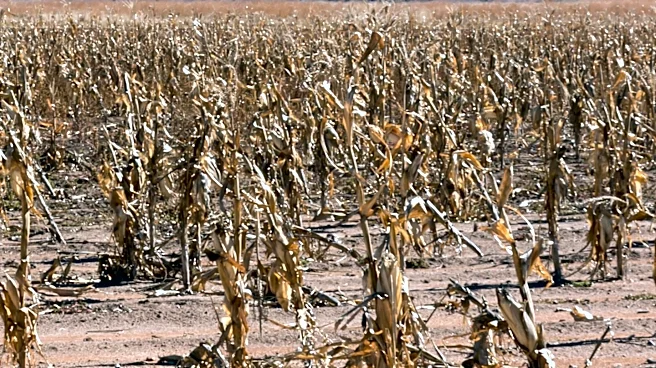
Farmers in Kansas are experiencing significant challenges due to extreme heat and a lack of rainfall, which are straining their crops. Despite receiving 15 inches of rain earlier in the summer, the current heat wave is drying out crops, particularly corn,
in areas like Sumner County. Mark Lawless, a farmer in the region, expressed concerns about the impact of the heat on his crops, noting that the situation has worsened over the past two weeks. With temperatures forecasted to remain in the mid to upper 90s, farmers are relying on irrigation and hoping for rain to salvage their crops. The U.S. Agriculture Department has also forecasted the lowest wheat harvest in over fifty years, adding to the agricultural challenges in the state.
Why It's Important?
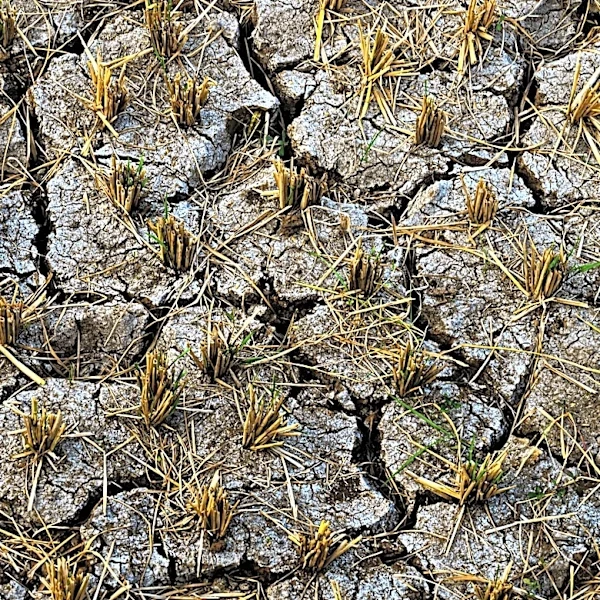
The ongoing heat and drought conditions in Kansas have significant implications for the agricultural sector, which is a critical component of the state's economy. The strain on crops like corn and wheat could lead to reduced yields, impacting farmers' livelihoods and potentially leading to higher prices for consumers. The situation highlights the vulnerability of agriculture to climate conditions and the importance of effective water management and irrigation strategies. Additionally, the forecasted low wheat harvest could affect national and global grain supplies, influencing market prices and food security.
What's Next?
Farmers in Kansas are closely monitoring weather forecasts and hoping for rain to alleviate the current drought conditions. The next few weeks are crucial for crops like corn, which are nearing the end of their growing season. Farmers may need to adjust their irrigation practices and explore alternative crops or farming methods to adapt to changing climate conditions. State and federal agricultural agencies may also need to provide support and resources to help farmers cope with the adverse weather impacts.