






What's Happening?
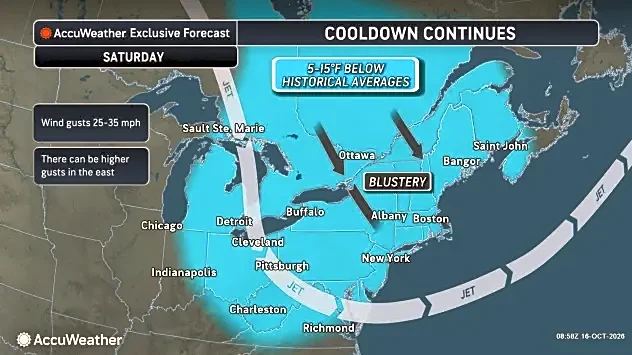
A coastal storm is forecast to develop this weekend along the Carolina coast, bringing persistent, long-duration coastal flooding and beach erosion through mid-week. This storm is forming from the same cold front that previously brought rain, wind, and cooler
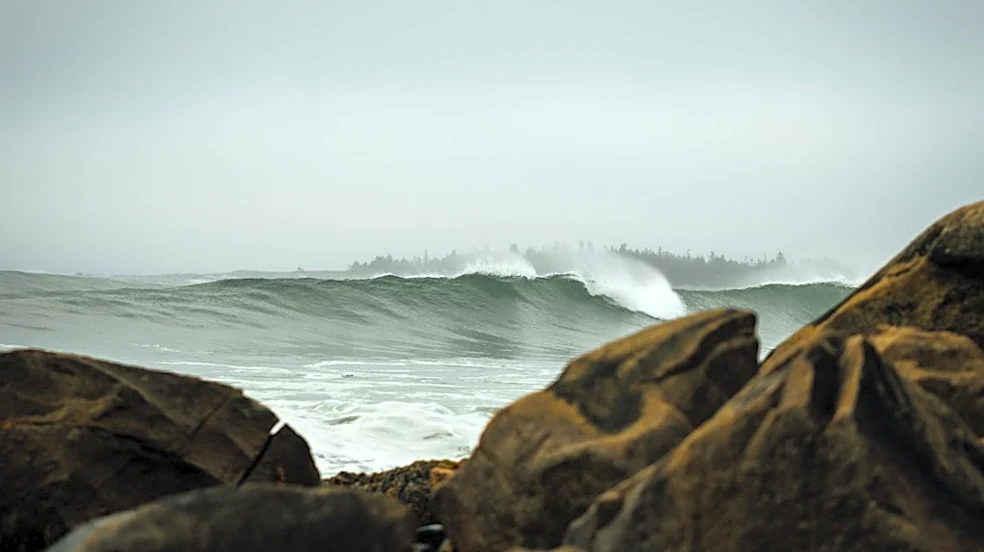
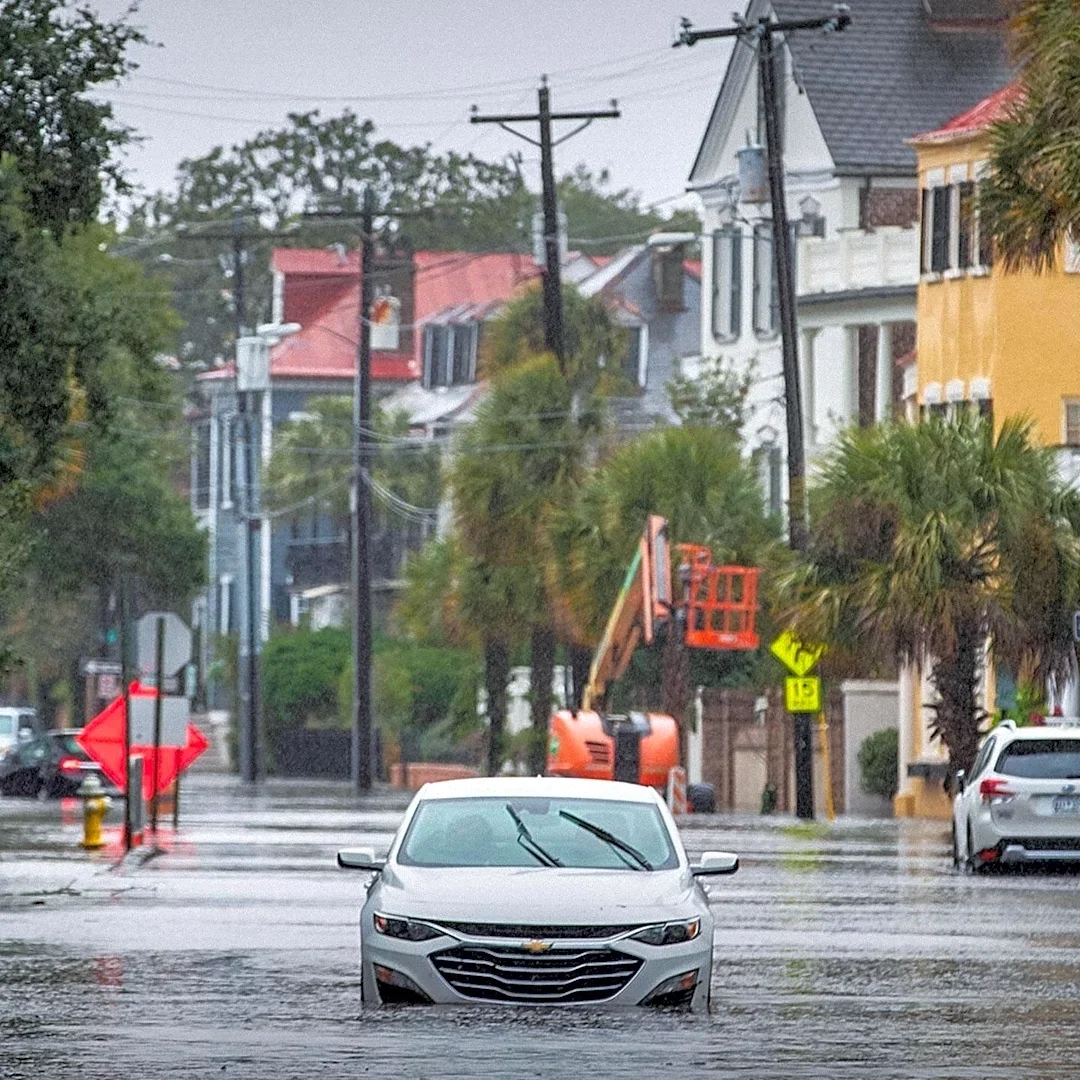
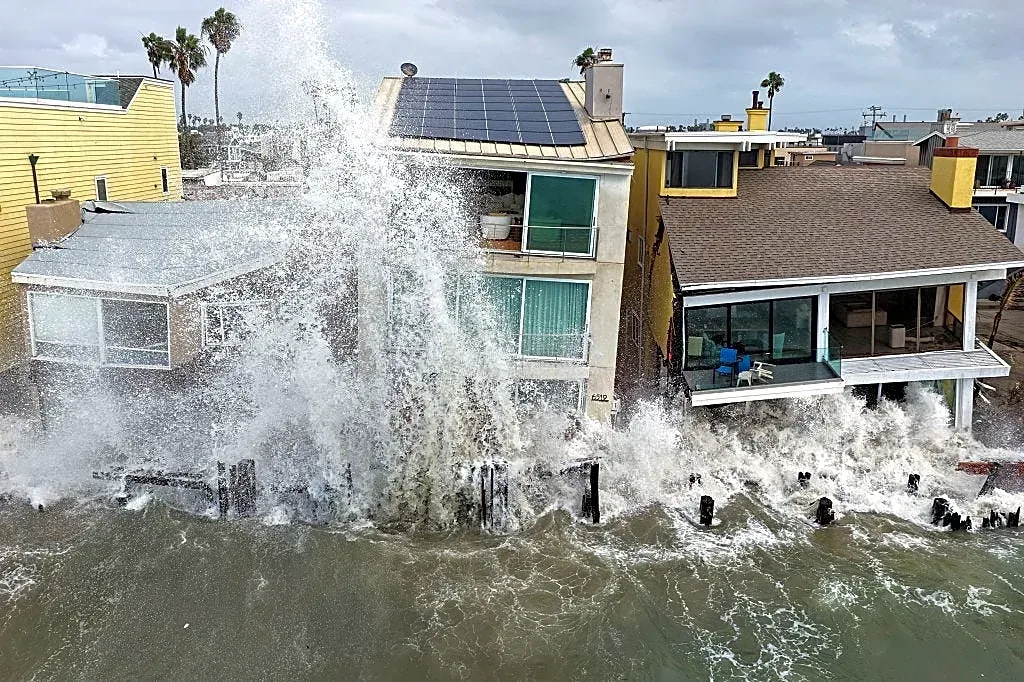
temperatures to the eastern U.S. Coastal flood alerts have been issued for areas stretching from Morehead City, North Carolina, through the Outer Banks, and into coastal Virginia and Maryland, including locations like Kitty Hawk, North Carolina; Virginia Beach, Virginia; and Ocean City, Maryland. Minor to moderate flooding is possible during high tide from Saturday through at least Monday evening, potentially extending into the middle of the week. North Carolina's Dare County has already issued a state of emergency for Hatteras Island and a mandatory evacuation for visitors on the island in anticipation of the storm. Wind Advisories are also in effect for parts of eastern North Carolina, with potential wind gusts up to 50 mph through Monday evening. Very rough surf and rip currents are expected, with breaking waves of 8 to 15 feet possible for parts of the Outer Banks and coastal Delmarva.
Why It's Important?
This developing coastal storm poses significant threats to the mid-Atlantic region, particularly impacting coastal communities and infrastructure. The persistent, long-duration coastal flooding and severe beach erosion could lead to substantial property damage, especially in areas like the Outer Banks, which have previously experienced homes falling into the sea due to similar events. Mandatory evacuations, such as the one issued for Hatteras Island, disrupt tourism and local economies, highlighting the economic vulnerability of these coastal regions to severe weather. The combination of high winds, rough surf, and flooding creates hazardous conditions for residents and emergency responders, potentially straining local resources. The long-term implications include accelerated coastal erosion, which can permanently alter shorelines and necessitate costly protective measures or relocation efforts. Businesses reliant on tourism and coastal activities will face closures and financial losses, while residents may experience displacement and the burden of repairs. The repeated nature of such events underscores the ongoing challenges faced by coastal communities in adapting to and mitigating the impacts of severe weather.
What's Next?
The coastal low is expected to remain offshore of the Carolinas into Monday and potentially into Tuesday or Wednesday. The greatest impacts will depend on the storm's exact track, but periods of heavy rain, strong winds, coastal flooding, beach erosion, and hazardous surf are anticipated, especially for the Carolinas and the mid-Atlantic. Residents in affected areas should continue to monitor local weather advisories and follow any evacuation orders. Emergency services will likely remain on high alert to respond to flooding, power outages, and other storm-related incidents. Post-storm, assessments of damage to infrastructure and natural landscapes will be conducted, leading to potential recovery efforts and discussions about long-term coastal resilience strategies. The ongoing threat of erosion in areas like the Outer Banks suggests that communities will need to consider further measures to protect property and public safety, potentially involving significant investment in coastal defenses or managed retreat strategies.
Beyond the Headlines
The recurring nature of severe coastal storms and their impact on the mid-Atlantic region highlights broader issues related to climate change and coastal development. The vulnerability of areas like the Outer Banks, where homes have literally fallen into the sea, underscores the challenges of maintaining human settlements in dynamic coastal environments. This event brings to the forefront the ethical considerations of rebuilding in high-risk areas versus implementing more sustainable, long-term adaptation strategies. The economic reliance of these regions on tourism often conflicts with the environmental realities of a changing climate, creating a complex policy dilemma. Furthermore, the strain on emergency management resources during such prolonged events raises questions about the adequacy of current infrastructure and planning for future, potentially more frequent and intense, coastal storms. The event serves as a stark reminder of the need for integrated approaches to coastal management that consider both immediate safety and long-term ecological and economic sustainability.