








What's Happening?
Trenton, New Jersey, is actively promoting urban agriculture initiatives to transform vacant lots into vibrant community spaces and educational hubs. Mayor W. Reed Gusciora highlighted that these gardens offer more than just food; they create neighborhood
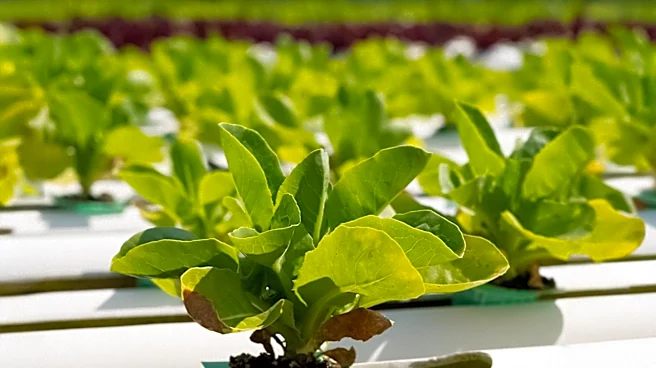
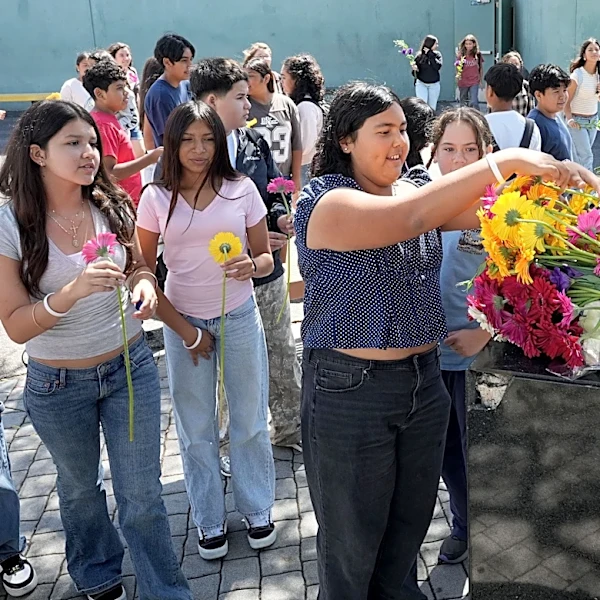
gathering places, provide learning opportunities for youth, keep seniors active, supply fresh produce to families, and generate jobs. The city recently hosted 'Trenton Grows Forward: The Green Capital Blueprint' forum, bringing together residents, farmers, and government leaders to discuss expanding these efforts. The initiative includes established sites like Capital City Farm and Isles’ community gardens, as well as numerous smaller, individual backyard projects. One example is Jenny, a Guatemalan émigré, who has cultivated a thriving micro-farm in her backyard, growing corn, tomatoes, and squash. Another key player is TrenTowne, a project by Tyrell Smith and the Smith Family Foundation, which converts abandoned properties into productive green spaces. The city supports these efforts by transferring ownership of neglected parcels to community groups for agricultural use.
Why It's Important?
The expansion of urban agriculture in Trenton holds significant importance for community development, food security, and economic opportunity. By converting vacant lots into gardens, the city addresses issues of blight and creates safe, engaging spaces for residents. This fosters a stronger sense of community pride and provides tangible benefits, such as access to fresh, healthy produce in areas that might otherwise be food deserts. For youth, these initiatives offer hands-on education about food origins and sustainable practices, while seniors find opportunities for physical activity and social interaction. Economically, urban farms can create local jobs and stimulate small-scale entrepreneurship, as seen with individuals like Jenny who share their produce. The city's strategy of partnering with community organizations like TrenTowne demonstrates a model for leveraging local vision and commitment to achieve broader urban revitalization goals, making productive use of underutilized land and enhancing the overall quality of life for Trenton residents.
What's Next?
Trenton plans to continue building upon its urban agriculture success, with a focus on integrating these initiatives into the city's broader civic infrastructure. The 'Green Capital Blueprint' envisions connecting productive land use with stormwater management, climate resilience, youth education, and workforce development. The city will likely continue to facilitate the transfer of abandoned properties to community groups and individuals committed to urban farming. Future phases, such as TrenTowne's expansion, aim to create even more substantial urban agriculture and neighborhood resources. Mayor Gusciora's commitment to finding and supporting community leaders with a vision for neighborhood transformation suggests ongoing partnerships and resource allocation to these projects. The goal is to ensure that urban agriculture takes root in more neighborhoods, providing widespread access to healthy food and fostering community engagement across Trenton.
Beyond the Headlines
Beyond the immediate benefits of fresh produce and green spaces, Trenton's urban agriculture movement touches upon deeper societal and environmental implications. Ethically, it promotes food justice by ensuring equitable access to nutritious food, particularly in low-income areas. Environmentally, these green spaces contribute to climate resilience through improved stormwater management and increased biodiversity within the urban landscape. Culturally, urban gardens can serve as vital spaces for cultural exchange and the preservation of traditional farming practices, as exemplified by Jenny's Guatemalan heritage influencing her gardening. The initiative also highlights a shift in urban planning, recognizing that vacant land is not merely an eyesore but a valuable asset for community building and sustainable development. This holistic approach positions urban agriculture as a cornerstone for a more resilient, equitable, and vibrant urban future, fostering a deeper connection between residents and their environment.