


What's Happening?
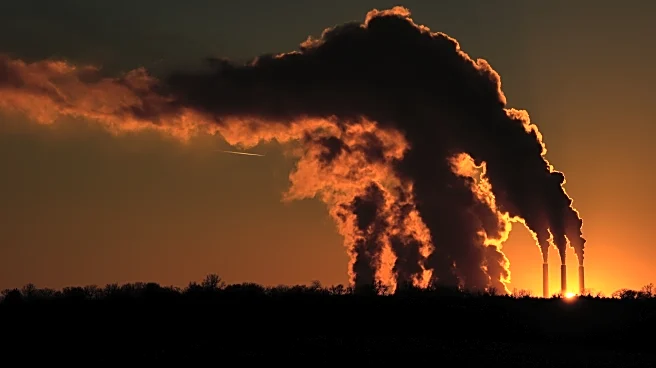
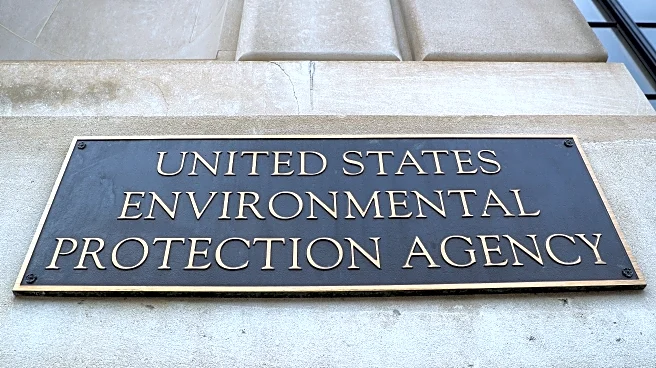
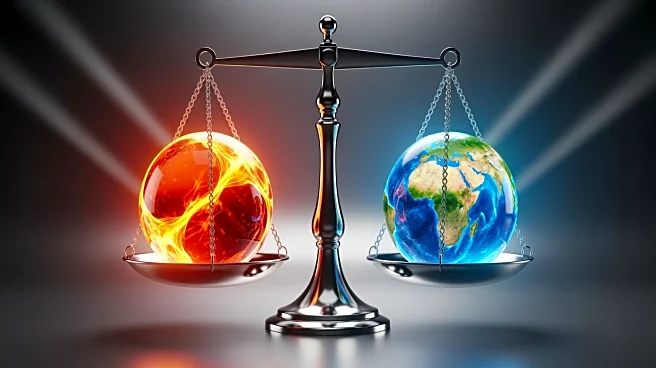
The Environmental Protection Agency (EPA) under President Trump has rescinded the 2009 endangerment finding, which identified greenhouse gases as a threat to public health. This finding has been the foundation for U.S. policies aimed at reducing emissions
from vehicles and industrial sources. The repeal is expected to disrupt most U.S. climate policies and has been met with opposition from environmental groups preparing to challenge the decision in court. The EPA's draft rule argues that previous administrations overstated the risks of climate change and ignored the benefits of carbon emissions. However, scientific organizations have dismissed these claims, emphasizing the established harms of climate change.
Why It's Important?
The repeal of the endangerment finding could significantly weaken the EPA's ability to regulate emissions, affecting efforts to combat climate change. This decision may lead to increased emissions and hinder the U.S.'s ability to meet international climate commitments. The move is seen as part of a broader deregulatory agenda by the Trump administration, which has already withdrawn from the Paris Agreement and cut funding for clean energy projects. The decision could have long-term implications for public health and the environment, as well as the U.S.'s global leadership on climate issues.
What's Next?
Legal challenges are expected as environmental groups and states prepare to sue the administration over the repeal. The outcome of these legal battles could determine the future of U.S. climate policy and the EPA's regulatory authority. The decision may also influence the upcoming presidential election, as climate change remains a key issue for voters. Meanwhile, the administration's actions could embolden industries that oppose climate regulations, potentially leading to increased emissions and environmental degradation.