






What's Happening?
In January 2025, the Trump administration ceased funding for Project SERVIR-Hindu Kush Himalaya, a joint initiative by NASA, USAID, and ICIMOD, which focused on identifying and monitoring landslide hotspots in Nepal. This decision was partly influenced
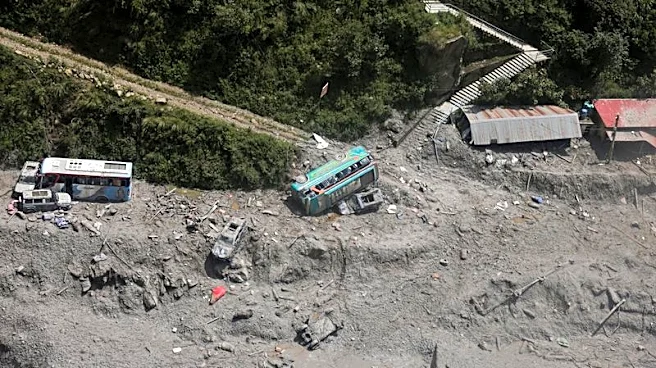
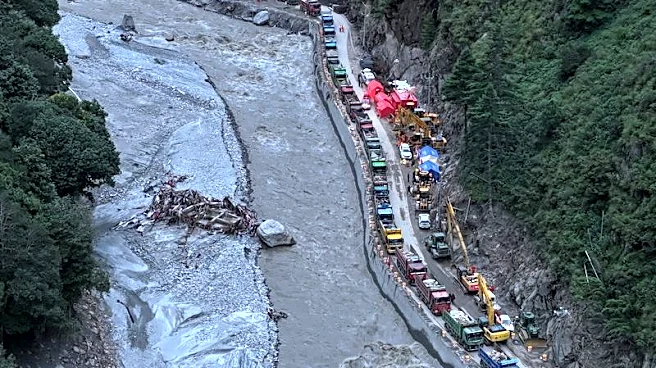
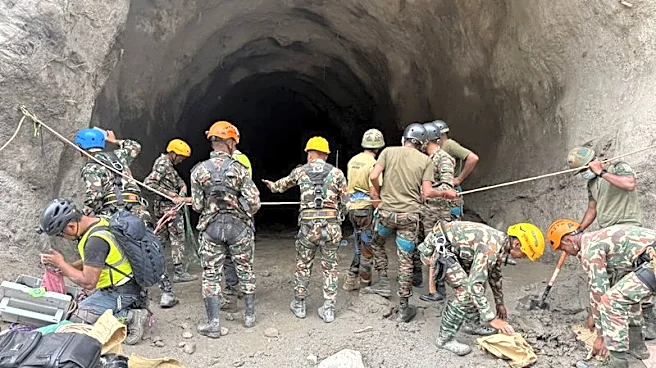
by the Department of Government Efficiency (DOGE), which dismantled USAID and canceled grants based on keyword searches, including 'climate.' Just over a year later, a massive glacier and rock landslide in the Himalayas triggered fast-moving floodwaters, resulting in over 1,100 fatalities in Nepal and China. Birendra Bajracharya, the project's former director, stated that the funding cut halted efforts to improve 'landslide situational awareness' related to extreme rainfall and prevented the completion of 'slope motion detection for landslide forecasts.' While the program might not have predicted the specific glacier breakup event, it aimed to identify vulnerable locations to better prepare downstream communities. Some data programs initiated by Project SERVIR in Nepal, such as streamflow prediction and forest fire monitoring, continue, but flood inundation mapping is no longer operational. The funding cut was abrupt, leaving no time to transition projects or transfer them to other organizations.
Why It's Important?
The cessation of funding for natural hazard monitoring in Nepal highlights a broader shift in U.S. foreign aid priorities under the Trump administration, particularly concerning climate-related initiatives. The subsequent deadly landslide underscores the critical need for such early warning systems in regions highly vulnerable to climate change impacts. The incident illustrates the growing peril in mountain regions like the Himalayas, where increasing temperatures destabilize glaciers and raise the risks of landslides, flash flooding, and glacial outburst floods. The lack of sustained monitoring efforts leaves communities unprepared for these deadly hazards. According to Marco Tedesco, a geophysicist at Columbia University, discontinuing resources from existing projects is detrimental, especially as the region is becoming more vulnerable to similar calamities. The event also raises questions about the allocation of resources and investment in developing appropriate technologies for disaster preparedness in vulnerable areas globally. The U.S. State Department, however, stated that some flood mitigation programs in Nepal are still supported through other grants and agreements.
What's Next?
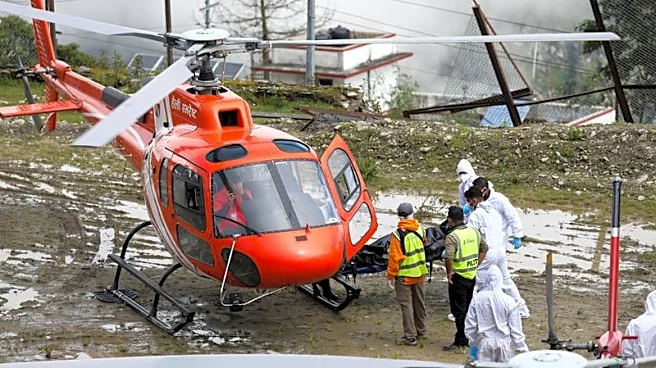
The immediate focus will likely be on disaster relief and recovery efforts in the affected regions of Nepal and China. There may be renewed calls from international organizations and scientific communities for increased investment in natural hazard monitoring and early warning systems, particularly in climate-vulnerable areas. The long-term implications could include a re-evaluation of foreign aid strategies by future U.S. administrations, potentially leading to a reinstatement or expansion of climate-related monitoring programs. Stakeholders, including local governments, international aid organizations, and scientific bodies, will likely continue to advocate for sustained funding and collaborative efforts to develop and implement robust early warning systems. The incident may also prompt discussions on international cooperation for climate change adaptation and disaster risk reduction, especially in transboundary regions like the Himalayas. The ongoing support for flood mitigation in Nepal through grants to the World Meteorological Organization and agreements with NOAA suggests a fragmented approach to hazard preparedness.
Beyond the Headlines
This event transcends a simple funding cut, touching upon the ethical implications of withdrawing support for programs designed to protect vulnerable populations from natural disasters, especially in the context of a changing climate. The Trump administration's dismantling of USAID programs based on keyword searches like 'climate' reflects a broader ideological stance that de-emphasizes climate change as a priority, potentially impacting global efforts to mitigate its effects. The incident highlights the interconnectedness of global environmental issues and the responsibility of developed nations in supporting developing countries' resilience. It also underscores the long-term consequences of short-sighted policy decisions, where immediate cost-cutting can lead to devastating human and economic losses. The debate over 'pro-innovation policy frameworks' versus regulatory oversight, as seen in the G20 Innovation Ministerial discussions, further illustrates the tension between rapid technological advancement and responsible governance in addressing global challenges.