

What's Happening?
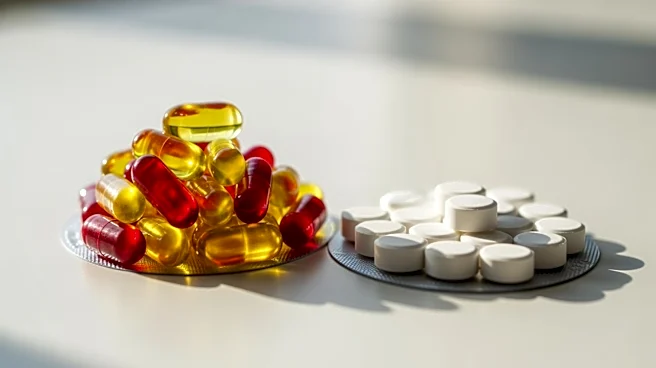
A project conducted by Great Ormond Street Hospital (GOSH) has demonstrated that switching children with congenital hyperinsulinism (CHI) from liquid diazoxide to tablet form can significantly improve their quality of life and save money. The study involved
19 children aged seven years or older, who successfully transitioned to tablets without negative effects on their blood glucose levels. The switch resulted in substantial cost savings, with tablet formulations costing significantly less than liquid alternatives. GOSH's endocrinology team is now exploring the possibility of supporting younger patients in making the switch, as part of the hospital's 'GOSH green plan 2024 to 2027'.
Why It's Important?
The findings from the GOSH project highlight the potential for significant healthcare savings and improved patient outcomes through medication formulation changes. By reducing costs associated with liquid medications, the NHS could save approximately £40,000 per patient annually. Additionally, the switch to tablets enhances the quality of life for children and their families, as tablets are easier to manage and do not have the unpleasant taste associated with liquid medications. This initiative aligns with broader efforts to optimize healthcare delivery and reduce environmental impact, as tablets are easier to store and manage compared to liquid formulations.