


What's Happening?
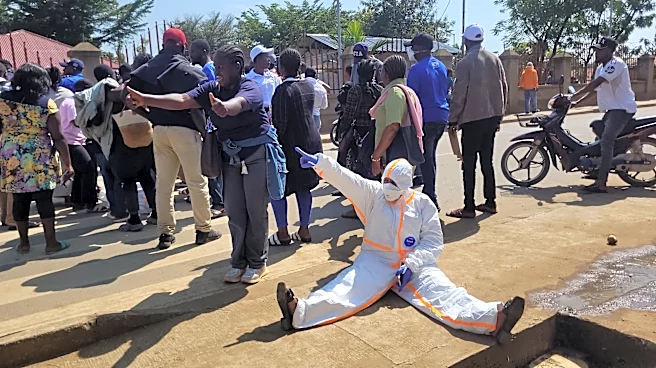
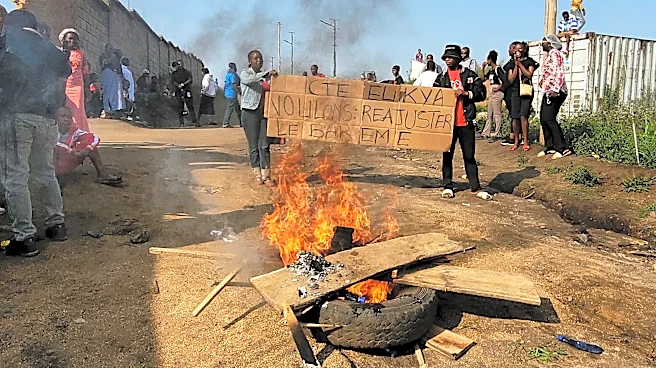
In the Democratic Republic of Congo, health workers in Ituri province have staged protests over unpaid wages, significantly disrupting efforts to combat the ongoing Ebola outbreak. The outbreak, which began in May, has been declared the fastest in history
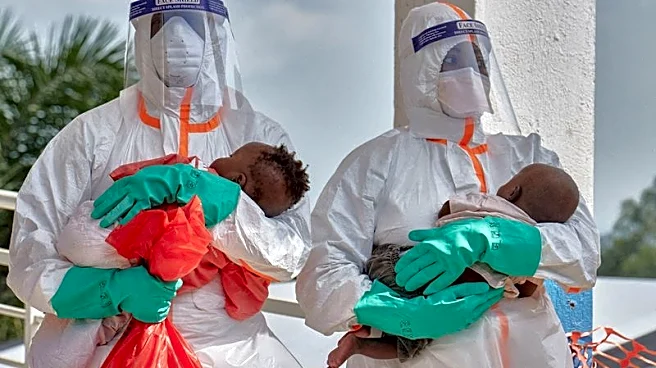
in terms of transmission, with over 4,000 confirmed cases and more than 1,800 deaths. The protests occurred at the governor's office in Bunia, the capital of Ituri province, which accounts for nearly 90% of the Ebola cases in the country. Health workers, including nurses providing critical care to Ebola patients, have not received wages and bonuses since the outbreak was declared. The protests have led to the abandonment of several health facilities, further complicating the response to the outbreak. The situation is exacerbated by logistical issues and attacks on health workers and facilities by rebels and angry mobs.
Why It's Important?
The protests by health workers in Congo highlight the critical challenges faced in managing the Ebola outbreak, particularly in remote and conflict-ridden areas. The disruption of healthcare services due to unpaid wages could lead to a further spread of the virus, as health workers are essential in providing care and preventing transmission. The outbreak's rapid spread poses a significant threat to public health, not only in Congo but potentially in neighboring regions, given the highly contagious nature of the Ebola virus. The situation underscores the need for timely and adequate support for frontline workers, as well as effective logistical management to ensure that healthcare providers are compensated and motivated to continue their vital work.
What's Next?
The ongoing protests and disruption in healthcare services necessitate urgent intervention from both national and international bodies to resolve the payment issues and restore healthcare operations. The World Health Organization and other international health organizations may need to increase their support and oversight to ensure that health workers are adequately compensated and protected. Additionally, efforts to improve security and access in conflict-affected areas are crucial to enable effective contact tracing and containment of the virus. The Congolese government and international partners must collaborate to address these challenges and prevent the outbreak from escalating further.
Beyond the Headlines
The situation in Congo also raises broader ethical and logistical questions about the treatment and support of healthcare workers in crisis zones. The lack of timely payment and protection for these workers not only hampers the immediate response to the outbreak but also affects long-term trust and cooperation between local communities and health authorities. Addressing these issues is essential for building resilient healthcare systems capable of responding to future outbreaks and ensuring the safety and well-being of both healthcare providers and the populations they serve.