





What's Happening?
Researchers at University College Dublin have identified a novel 'courier system' that cells use to transmit coherent biological messages, potentially revolutionizing medicine and biotechnology. This discovery, published in Nature Materials, reveals that certain
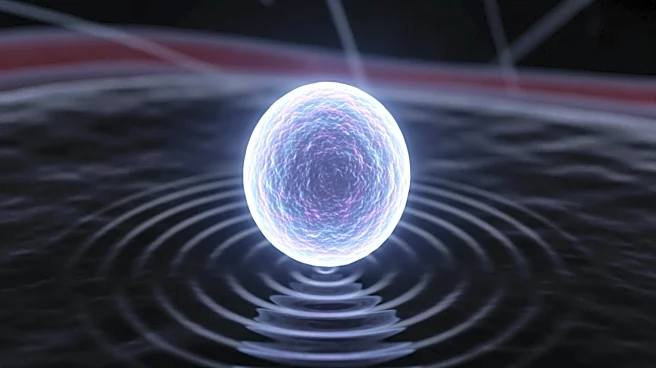
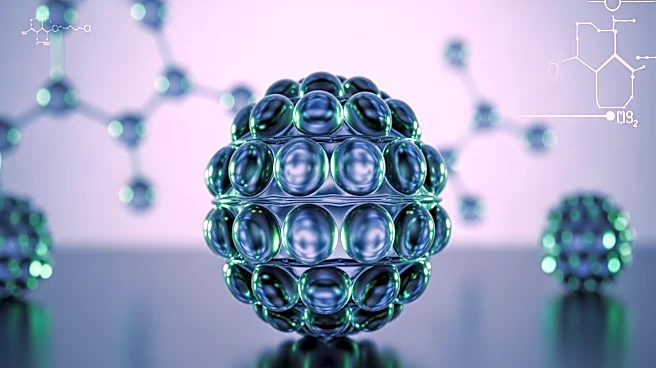
nanoparticles entering a cell can transform and acquire a 'condensate corona,' a coating made from the cell's proteins and RNA. This coating acts as a biological program, allowing the nanoparticles to deliver messages to other cells. The research team, led by Professor Kenneth Dawson and Associate Professor Yan Yan, found that these messaging droplets can be captured in transit using tiny magnets, preserving the integrity of the messages. Once inside a new cell, the coating detaches and avoids the cell's degradation system, allowing the proteins and RNA to integrate into the cell's processes. This system could enable the delivery of therapeutic biomolecules to previously inaccessible areas within cells, enhancing the effectiveness and safety of RNA-, gene-, and protein-based therapies.
Why It's Important?
The discovery of this cell messaging system holds significant implications for the future of medicine, particularly in the treatment of diseases that are currently difficult to manage or cure. By accessing natural gateways within cells, this system could facilitate the delivery of corrective biomolecules to specific cellular locations, potentially reversing diseases rather than merely managing them. This advancement could lead to more effective treatments for conditions such as cancer, where the ability to target and influence tumor cells directly could improve patient outcomes. Additionally, the research provides a new framework for understanding how biological information is shared between cells, which could lead to breakthroughs in biotechnology and the development of new therapeutic strategies.
What's Next?
The next steps for this research involve further exploration of the cell messaging system's potential applications in medicine and biotechnology. Researchers will likely focus on refining the delivery mechanisms and testing the system's efficacy in various therapeutic contexts. There may also be efforts to understand the broader implications of this discovery for cellular communication and its role in disease progression, particularly in cancer metastasis. As the research progresses, collaboration with pharmaceutical companies and biotech firms could accelerate the development of new treatments based on this technology.
Beyond the Headlines
This discovery not only opens new avenues for medical treatment but also raises ethical and regulatory considerations regarding the manipulation of cellular processes. The ability to send strategic biological messages to specific cellular locations could lead to debates about the potential risks and benefits of such interventions. Additionally, the research highlights the importance of understanding natural cellular communication systems, which could have broader implications for fields such as synthetic biology and genetic engineering.