






What's Happening?
US Trade Representative Jamieson Greer addressed the G20 meeting of trade ministers in Milwaukee, advocating for the Trump administration's tariff agenda. Greer called on major economies to avoid coercive actions in food trade, address industrial overcapacity,
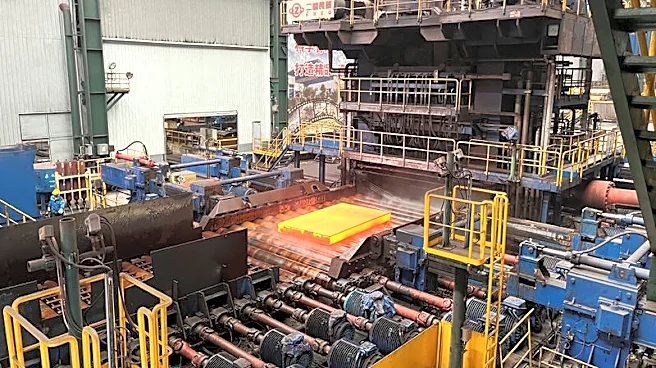
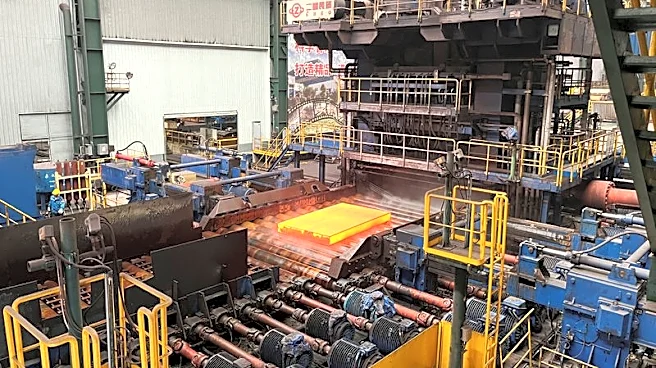
and reconsider the existing post-World War Two tariff system. He emphasized the administration's objective to revitalize American manufacturing through tariffs, trade agreements, and measures to secure critical supply chains. The agenda for the US-led G20 trade meeting focused on China's industrial subsidies, excess capacity, and non-market-driven economic policies. Greer criticized the 'Most Favored Nation' tariff system, a cornerstone of the World Trade Organization, arguing it restricts economies' ability to respond to distortive policies. He also justified US tariffs imposed on 59 countries and the European Union due to alleged lax enforcement against forced labor, claiming it creates an artificial price advantage and erodes trust in the global trading system. This comes as the Trump administration escalated its trade dispute with Canada, implementing a ban on imports of Canadian alcoholic beverages, motorcycles, and dairy products.
Why It's Important?
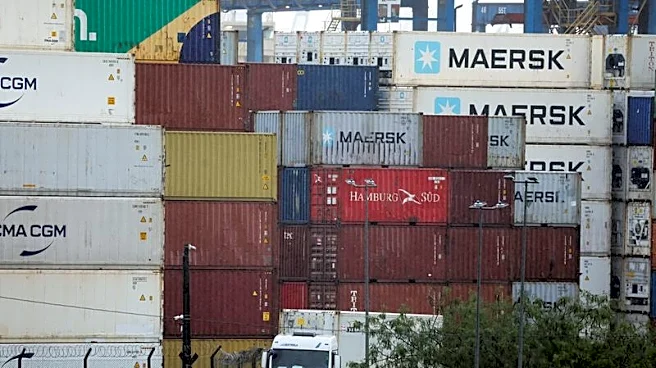
Greer's push for a re-examination of the 'Most Favored Nation' principle at the G20 signals a potential shift in global trade norms, moving away from equal tariff treatment among WTO members. This could lead to a more fragmented international trade landscape, where countries might increasingly use tariffs as strategic tools rather than adhering to multilateral agreements. The focus on China's industrial overcapacity and non-market policies highlights ongoing economic tensions and could result in further protectionist measures against Chinese goods, impacting global supply chains and consumer prices. The justification of tariffs based on forced labor allegations introduces a new dimension to trade policy, potentially linking human rights concerns more directly with economic sanctions. The escalating trade dispute with Canada, a key US trading partner, demonstrates the administration's willingness to use tariffs to achieve its trade objectives, which could disrupt cross-border commerce and impact businesses and consumers in both countries.
What's Next?
The G20 meeting will likely see continued debate and potential resistance from other member countries regarding the US tariff agenda and the re-examination of the 'Most Favored Nation' system. Some G20 countries, such as Canada, are already actively seeking to diversify their trade relationships away from the US, indicating a potential realignment of global trade alliances. Canada's trade minister for non-US trade, Maninder Sidhu, is scheduled to meet with India's trade minister to push for a trade deal, suggesting efforts to mitigate the impact of US tariffs. The Trump administration's stance on matching Canadian actions implies that trade tensions could persist or even escalate if a resolution is not reached. The ongoing discussions around industrial overcapacity and forced labor could lead to new international frameworks or bilateral agreements aimed at addressing these issues, potentially resulting in more targeted tariffs or trade restrictions in the future.
Beyond the Headlines
The Trump administration's aggressive stance on tariffs and its challenge to established global trade principles could have profound long-term implications for the international economic order. By questioning the 'Most Favored Nation' principle, the US is effectively undermining the multilateral trading system that has been in place for decades, potentially leading to a more bilateral and transactional approach to trade. This shift could empower individual nations to prioritize their own economic interests through protectionist measures, potentially at the expense of global economic stability and cooperation. The emphasis on securing critical supply chains and addressing industrial overcapacity also reflects a broader trend towards economic nationalism and a desire to reduce reliance on foreign production, particularly from China. This could accelerate the reshoring of manufacturing and lead to significant restructuring of global industries, impacting employment, investment, and technological development worldwide.