
What's Happening?
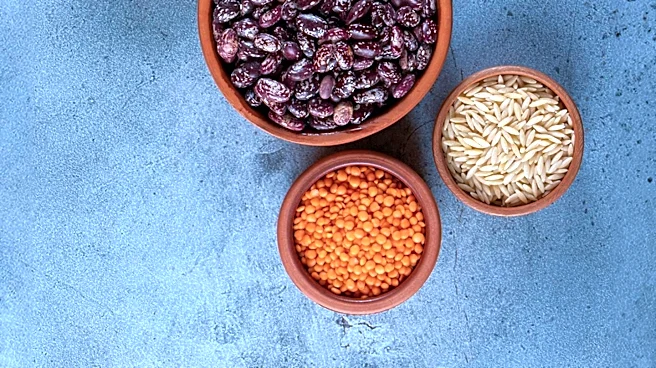
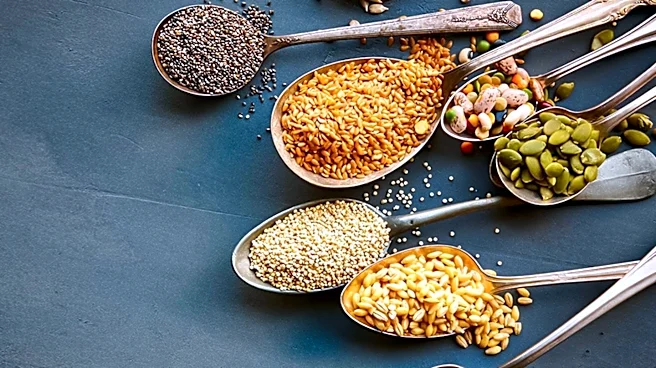
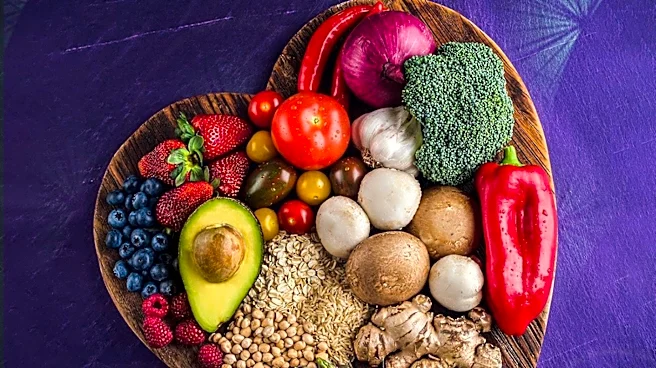
Research indicates that a Mediterranean-style diet, rich in vegetables, fruits, legumes, whole grains, nuts, fish, and unsaturated fats, is associated with a lower risk of progression to late age-related
macular degeneration (AMD). The Age-Related Eye Disease Studies (AREDS) have established that a specific high-dose vitamin and mineral combination, known as AREDS2, can lower the risk of progression to advanced AMD in selected individuals. However, AREDS2 is not a general multivitamin and is not recommended for preventing AMD in people without the disease. The Netra Eye Institute emphasizes that while nutrition is important, it should complement, not replace, standard ophthalmic care.
Why It's Important?
The findings highlight the significance of diet and nutrition in managing AMD, a leading cause of vision loss among older adults. A Mediterranean-style diet not only supports eye health but also contributes to overall cardiovascular and metabolic health. The research underscores the importance of evidence-based dietary recommendations and the need for patients to consult healthcare professionals before starting high-dose supplements. The integration of nutrition into AMD care reflects a broader trend towards holistic health approaches, which consider the interplay between diet, lifestyle, and medical treatment in managing chronic conditions.
What's Next?
Future research may further explore the role of specific nutrients and dietary patterns in preventing and managing AMD. Healthcare providers may increasingly incorporate dietary counseling into AMD management plans, emphasizing the importance of a balanced diet alongside medical treatments. Patients are encouraged to engage in regular eye examinations and consult with ophthalmologists to determine the most appropriate care plan. As the understanding of nutrition's impact on eye health evolves, there may be new guidelines and recommendations for dietary interventions in AMD care.