




What's Happening?
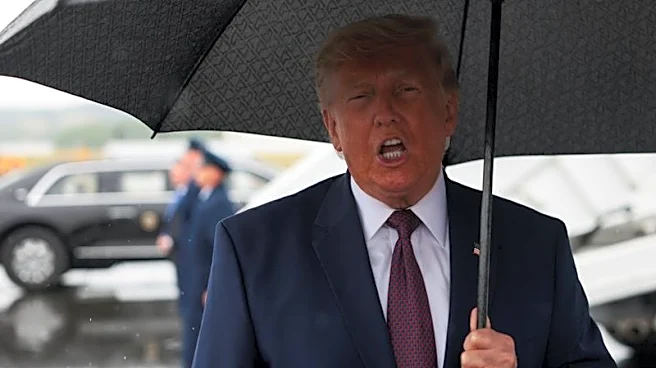
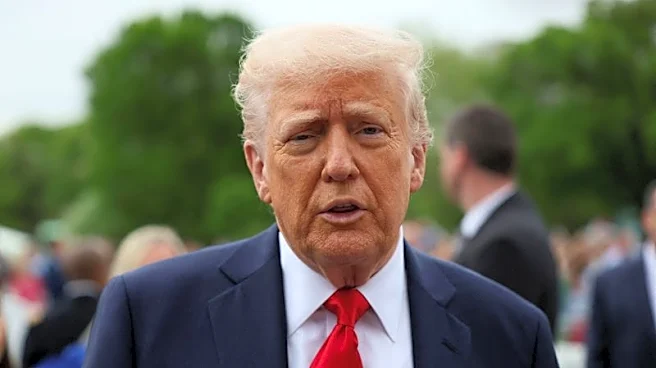
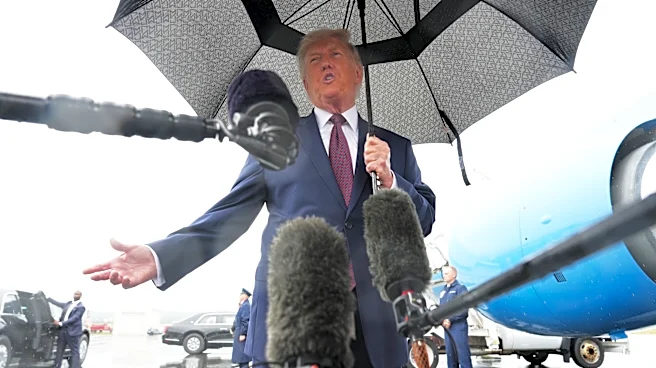
President Trump recently declared that the U.S. is experiencing 'the opposite of a depression,' citing a strong economy and significant foreign investment. However, economists have expressed skepticism about these claims, noting that while GDP and productivity
are growing, the economic situation is not as exceptional as suggested. Trump's statements have been met with criticism for being detached from the economic realities faced by many Americans, who are concerned about healthcare, housing, and consumer goods costs. Despite Trump's assertions of a robust economy, experts argue that the growth is typical of modern economies and not indicative of an extraordinary economic boom.
Why It's Important?
The discrepancy between President Trump's optimistic economic narrative and the views of economists highlights the challenges in accurately assessing economic health. This divergence can influence public perception and policy decisions, potentially affecting consumer confidence and investment. The administration's portrayal of the economy may also impact political discourse and electoral outcomes, as economic performance is a critical issue for voters. Understanding the true state of the economy is essential for informed decision-making by policymakers and stakeholders.
Beyond the Headlines
The broader implications of this narrative include potential impacts on fiscal policy and international relations, as foreign investment claims are scrutinized. The administration's economic messaging strategy may also affect its credibility and ability to negotiate on the global stage. Additionally, the focus on economic strength could overshadow other pressing issues, such as income inequality and social welfare, which require attention for sustainable growth.