


What's Happening?
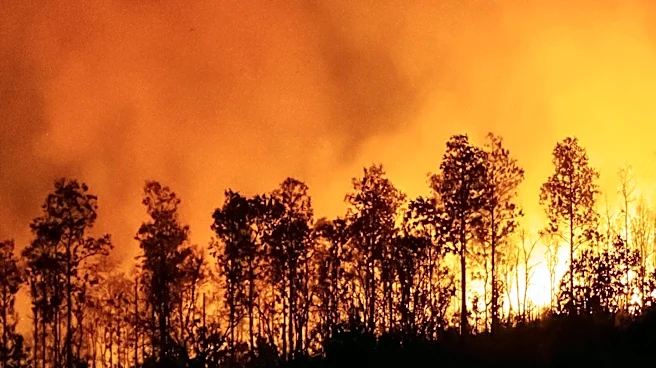
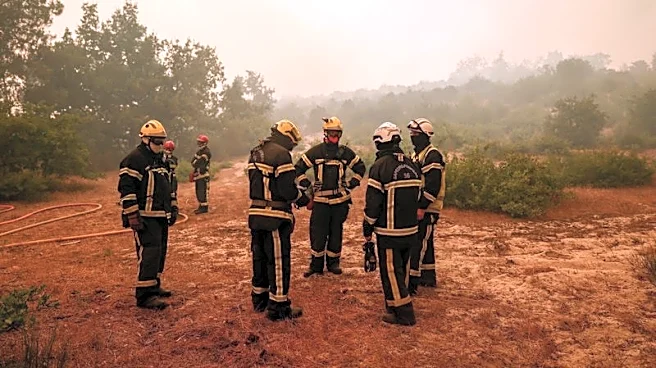
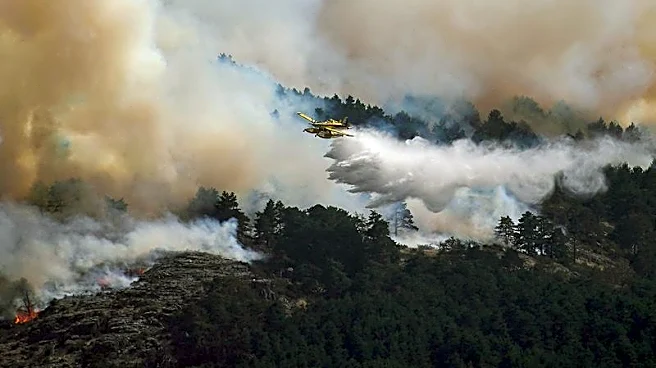
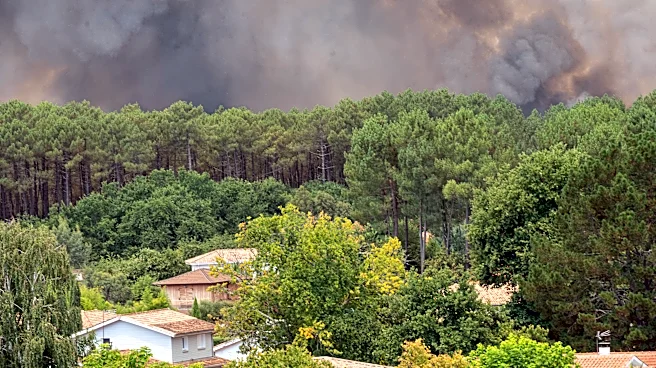
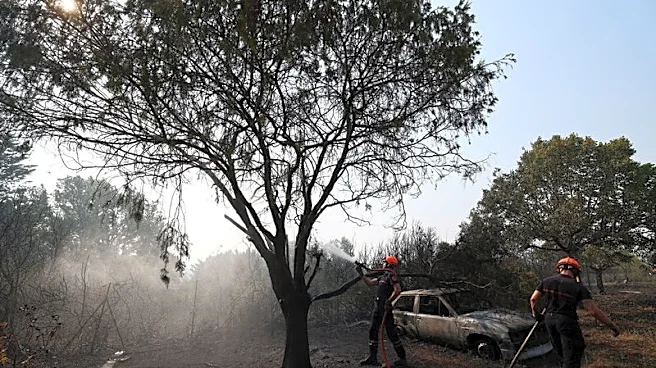
A fast-moving wildfire in Spain has necessitated the evacuation of NASA's Madrid Deep Space Communications Complex, a critical component of the agency's global tracking network. The complex, located about 40 miles west of Madrid, is part of NASA's Deep Space Network,
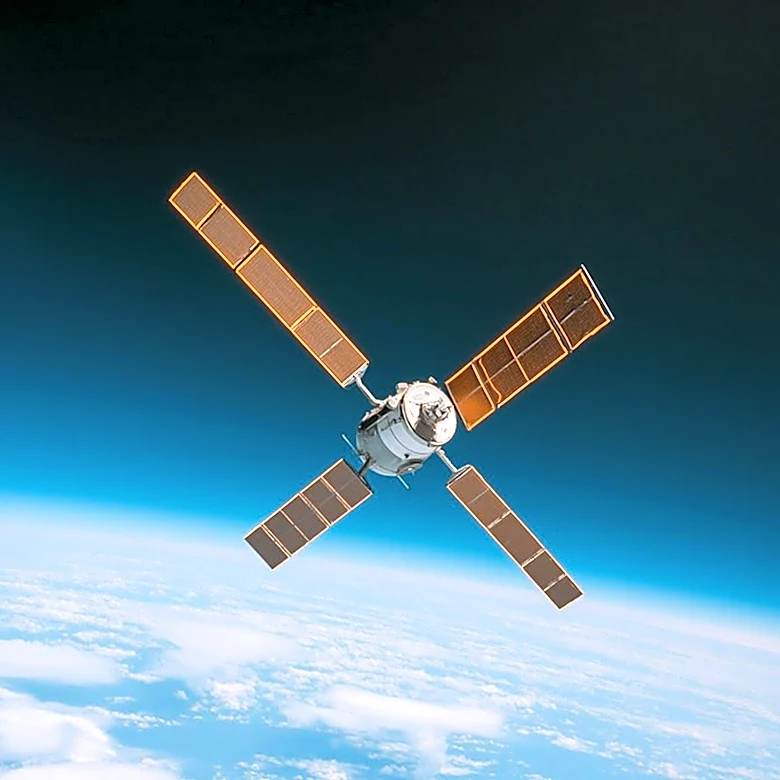
which includes facilities in California and Australia. This network is essential for supporting over 40 missions, including the Artemis program and the James Webb Space Telescope. The evacuation was prompted by the proximity of the flames and smoke, which posed a threat to the facility's operations. NASA has temporarily shifted its operations to the Goldstone Deep Space Communications Complex in California to maintain mission support. The situation is being closely monitored by NASA in collaboration with local authorities and the US Embassy.
Why It's Important?
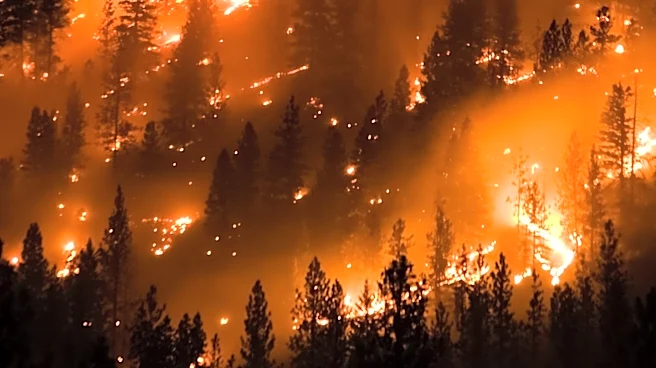
The evacuation of the Madrid Deep Space Communications Complex underscores the vulnerability of critical infrastructure to natural disasters, such as wildfires exacerbated by climate conditions. This event highlights the importance of having contingency plans in place to ensure the continuity of essential services. The Deep Space Network is vital for maintaining communication with spacecraft exploring the solar system and beyond. Any disruption could impact the data flow and operational support for numerous missions, potentially affecting scientific research and exploration efforts. The incident also serves as a reminder of the broader impacts of climate change, which is increasing the frequency and intensity of wildfires globally.
What's Next?
NASA will assess any potential damage to the Madrid facility once it is safe to do so. In the meantime, the agency will continue to rely on its other facilities to support ongoing missions. The situation may prompt NASA and other organizations to review and enhance their disaster preparedness and response strategies. Additionally, there may be increased collaboration with international partners to ensure the resilience of global space communication networks. The incident could also lead to discussions on the need for more robust infrastructure capable of withstanding extreme weather events.