





What's Happening?
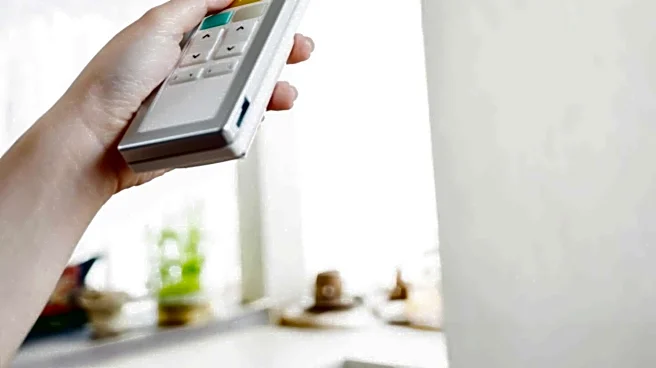
As heat waves continue to affect large parts of the U.S., HVAC experts are advising on the best air conditioning settings to balance comfort and cost. The Department of Energy suggests setting the thermostat to 78°F, but experts recommend focusing on the temperature
gap between indoors and outdoors. A 20-degree difference is ideal for efficiency. For instance, if it's 100°F outside, setting the AC to 80°F can help manage energy costs. Experts also advise against turning off the AC when leaving home, as it can lead to higher costs and potential damage to electronics and furniture.
Why It's Important?
This guidance is crucial as many Americans face rising energy costs and extreme weather conditions. Efficient AC use can significantly reduce electricity bills, which is particularly important during prolonged heat waves. The advice also helps prevent potential damage to homes and electronics, which can occur if indoor temperatures rise too high. By following these recommendations, homeowners can maintain comfort while minimizing their environmental impact and financial burden.
What's Next?
As climate change continues to cause more frequent and severe heat waves, the demand for efficient cooling solutions is likely to increase. Homeowners may invest in energy-efficient appliances and smart home technology to better manage their energy use. Additionally, utility companies and policymakers might explore incentives for energy conservation and the development of more sustainable cooling technologies. Public awareness campaigns could also play a role in educating consumers about effective energy management strategies.