






What's Happening?
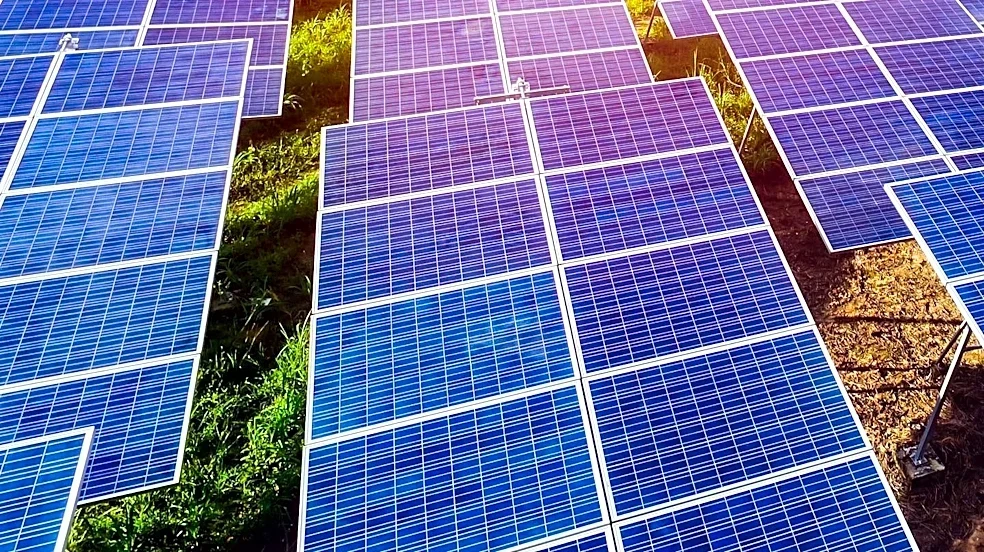
New York State has introduced a new $200 million solar package within its 2027 budget, aimed at advancing renewable energy initiatives. A significant portion of this funding is specifically directed towards households that traditionally face barriers
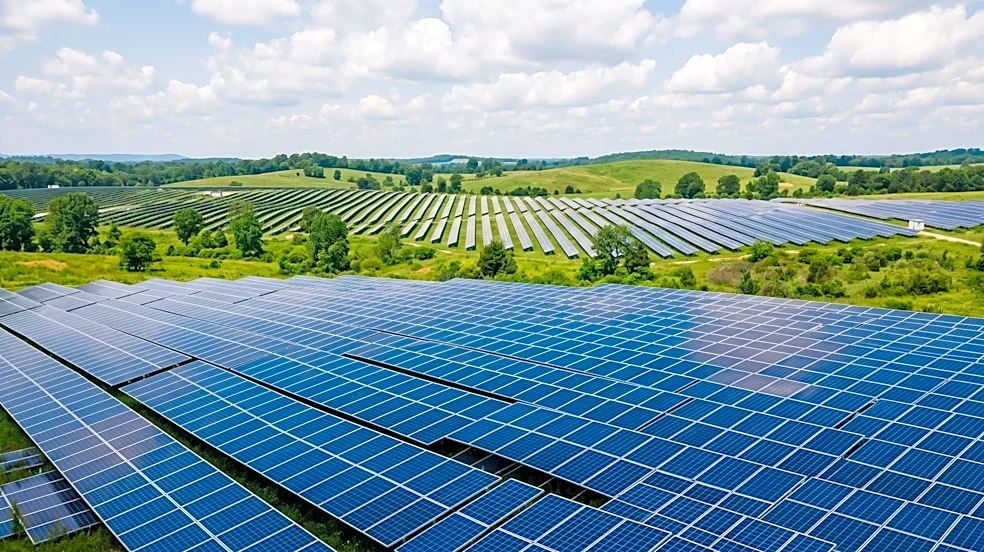
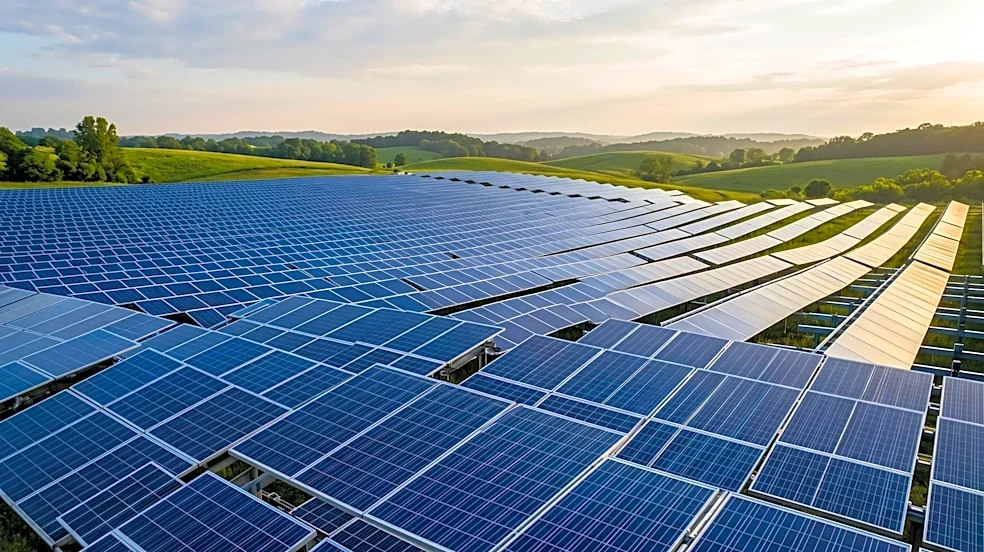
to accessing rooftop or community solar. The plan includes financial assistance for low- and moderate-income homeowners, affordable housing properties, and community solar projects. According to the New York State Energy Research and Development Agency, this funding is projected to generate over 565 megawatts of additional solar capacity, which is sufficient to power more than 90,000 homes. The largest share, approximately $116 million, is allocated to community and commercial solar projects exceeding one megawatt, expected to support about 450 megawatts of solar capacity. The remaining $83 million will fund midsize commercial, government, and multifamily sites, as well as new on-site systems for low- and moderate-income homeowners.
Why It's Important?
This substantial investment by New York State underscores its commitment to expanding renewable energy and addressing energy equity. By targeting low- and moderate-income households and affordable housing, the initiative aims to democratize access to solar energy, ensuring that the benefits of reduced energy costs and clean power are available to a broader segment of the population. This approach helps alleviate energy burdens on vulnerable communities and promotes a more inclusive transition to clean energy. Furthermore, the expansion of solar capacity contributes to the state's overall climate goals, reducing reliance on fossil fuels and strengthening grid resilience. The funding for larger community and commercial projects also signals continued support for utility-scale solar development, which is crucial for achieving significant reductions in carbon emissions and meeting statewide renewable energy targets.
What's Next?
The implementation of this $200 million solar package will involve various stakeholders, including the New York State Energy Research and Development Agency, solar developers, and community organizations. Homeowners and property managers in New York, particularly those in low- and moderate-income brackets or managing affordable housing, should explore the available programs and incentives to determine their eligibility. The funding is expected to stimulate significant activity in the solar installation sector, creating jobs and fostering economic growth within the state. The success of this initiative will likely be measured by the actual increase in solar capacity, the number of households benefiting from reduced energy costs, and the overall progress towards New York's renewable energy mandates. Continued monitoring and evaluation will be essential to ensure the funds are effectively utilized and reach the intended beneficiaries.
Beyond the Headlines
This initiative goes beyond simply adding solar panels; it represents a strategic effort to integrate social equity into climate policy. By prioritizing lower-income homes, New York is acknowledging that the transition to clean energy must be just and inclusive, preventing the exacerbation of existing economic disparities. This model could serve as a blueprint for other states looking to implement similar programs, demonstrating how renewable energy development can simultaneously address environmental and social challenges. The focus on community solar also empowers residents who may not have suitable rooftops for individual installations, fostering collective participation in the clean energy transition. Ultimately, this investment aims to build a more resilient, equitable, and sustainable energy future for all New Yorkers, showcasing a holistic approach to climate action that considers both environmental impact and social well-being.