




What's Happening?
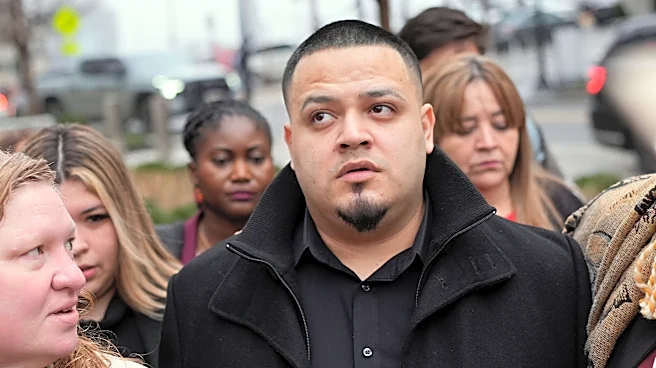
Martín Alonso Soto Hernandez, a Peruvian asylum seeker, has been released from ICE custody. Soto was held in solitary confinement at the Elizabeth Contract Detention Facility after his involvement in organizing a hunger and labor strike at Delaney Hall.
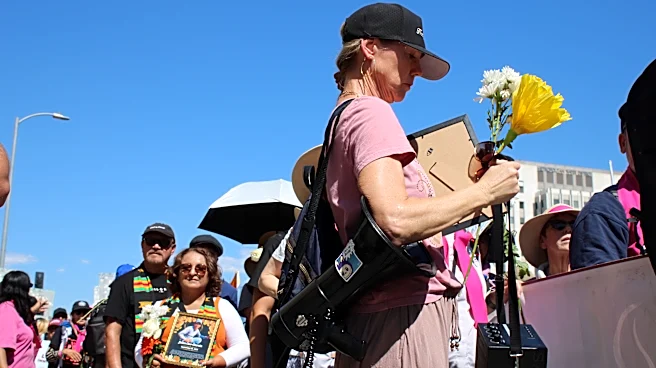
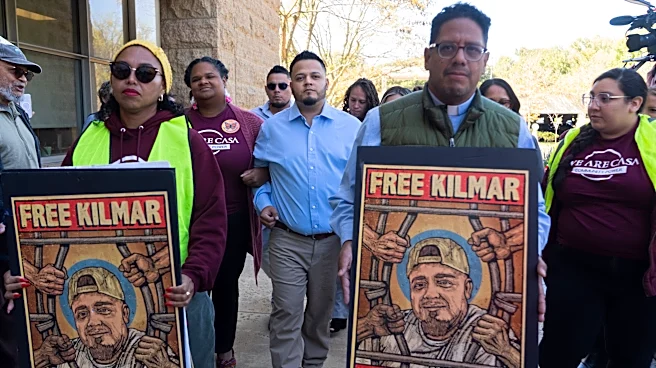
He was reunited with his wife, Gabriela Soto, and their two young children. Gabriela Soto has been a vocal advocate for immigrant rights, organizing rallies and vigils to call attention to her husband's detention and alleged mistreatment, including claims of contaminated food and inadequate medical care at Delaney Hall. The Department of Homeland Security and GEO Group, which operates Delaney Hall, have denied these allegations. Soto's attorney, Selenia Destefani, confirmed that an assault case against him was dismissed, and they are challenging his deportation order while pursuing options for legal status. Local faith leaders and immigrant rights activists have been holding weekly protests outside Delaney Hall, advocating for its closure.
Why It's Important?
This release is significant for immigrant rights advocates, who view it as a victory for activism and a testament to the power of community support. Soto's case highlights ongoing concerns about conditions in immigration detention centers, including allegations of mistreatment, retaliation for protests, and the use of solitary confinement. His release, while his immigration case remains ongoing, provides a temporary reprieve for his family and brings renewed attention to the broader issues faced by asylum seekers and detainees. The involvement of faith leaders and community organizers underscores the moral and social dimensions of immigration policy and detention practices in the U.S. It also puts pressure on ICE and private detention facility operators to address concerns about detainee welfare and due process.
What's Next?
Martín Alonso Soto Hernandez's immigration case remains ongoing, meaning he will continue to navigate the legal system to secure his legal status in the U.S. His attorney will pursue various options to challenge his deportation order. The activism surrounding his case is likely to continue, with advocates using his story to push for reforms in immigration detention policies and potentially for the closure of facilities like Delaney Hall. The Department of Homeland Security and ICE may face increased scrutiny regarding their detention practices, particularly concerning solitary confinement and responses to detainee protests. The outcome of Soto's legal battle could set precedents for other asylum seekers facing similar circumstances.
Beyond the Headlines
Soto's release, while a personal victory, illuminates deeper systemic issues within the U.S. immigration detention system. It brings to the forefront the ethical debate surrounding the privatization of detention facilities and the accountability of these private entities. The allegations of mistreatment and retaliation raise questions about human rights within detention centers and the oversight mechanisms in place. Furthermore, the case underscores the immense psychological toll that prolonged detention and separation from family can have on individuals seeking asylum. It also highlights the critical role of grassroots activism, legal aid, and faith-based organizations in advocating for vulnerable populations within the complex immigration framework, often serving as a crucial counterbalance to governmental policies and practices.