


What's Happening?
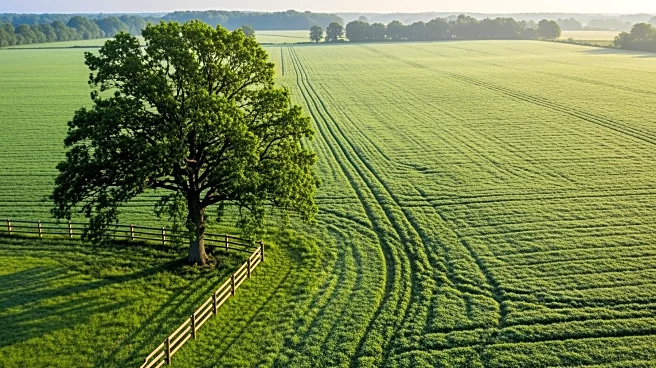
Florida Agriculture Commissioner Wilton Simpson has announced the approval of over 2,800 acres of working agricultural land for preservation. This initiative aims to safeguard the state's food supply and timber industry from urban development. The decision
was made by the governor and cabinet, acting as the Board of Trustees of the Internal Improvement Trust Fund, who authorized the purchase of rural lands protection easements for two cattle ranches located in Hardee and Highlands counties. These easements will allow agricultural operations to continue while permanently prohibiting future development on the properties. The Square One Ranch in Highlands County and Buckhorn Ranch in Hardee County are the two properties involved, with easements valued at $6.1 million and $5.3 million, respectively. The funding includes contributions from the U.S. Air Force Readiness and Environmental Protection Integration Program. Both properties are part of the Florida Wildlife Corridor, a network of public and private lands established by state law in 2021.
Why It's Important?
The preservation of these lands is crucial for maintaining Florida's agricultural productivity and environmental health. By preventing urban development on these lands, the state is ensuring the continued availability of local food supplies and the protection of natural resources. This move supports the farmers and ranchers who are integral to Florida's economy, while also conserving critical habitats within the Florida Wildlife Corridor. The initiative reflects a broader commitment to sustainable land management practices that balance economic growth with environmental stewardship. The program, which has preserved over 165,000 acres since its inception, highlights the importance of strategic partnerships between the state and private landowners in achieving conservation goals.
What's Next?
The continued expansion of the Rural and Family Lands Protection Program is likely, given its success in preserving significant tracts of land. Future efforts may focus on securing additional funding and identifying more properties for inclusion in the program. Stakeholders, including environmental groups and agricultural associations, are expected to support these initiatives, recognizing the long-term benefits of land conservation. The program's success could serve as a model for other states looking to balance development pressures with the need to protect agricultural and natural resources.