






What's Happening?
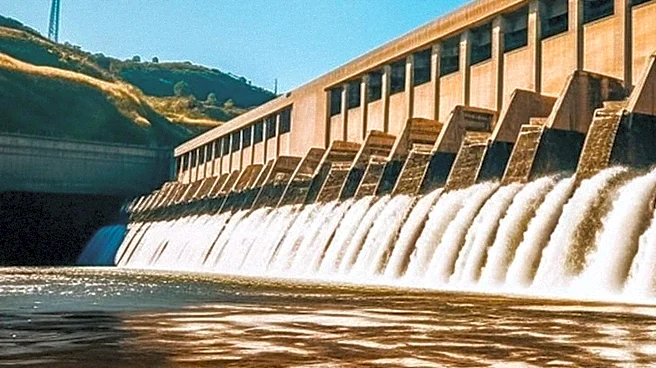
Authorities in Minnesota are investigating cyberattacks on 30 water systems, with similar incidents reported in at least five other states. The attacks have raised concerns about the vulnerability of critical infrastructure. In response, some affected
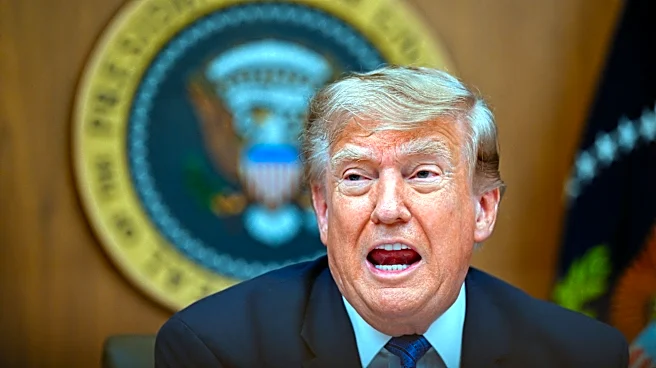
cities, like Braham, have disconnected their water plants from the internet to prevent further breaches. Federal agencies have warned about potential links to Iranian hackers, although no attackers have been publicly identified. President Trump has blamed state officials for the vulnerabilities, while Minnesota Governor Tim Walz has criticized federal cybersecurity funding cuts.
Why It's Important?
These cyberattacks highlight the growing threat to critical infrastructure, emphasizing the need for robust cybersecurity measures. The potential involvement of foreign actors like Iranian hackers underscores the geopolitical dimensions of cybersecurity threats. The incident raises questions about the adequacy of current protections and the need for federal and state collaboration to safeguard essential services. The political blame game between state and federal officials could impact future policy decisions and funding allocations for cybersecurity.
What's Next?
Investigations will continue to identify the perpetrators and prevent future attacks. State and federal agencies may collaborate to enhance cybersecurity measures for critical infrastructure. The incident could lead to increased funding and policy changes aimed at strengthening defenses against cyber threats. Public awareness and concern about cybersecurity may grow, prompting calls for more transparency and accountability from government agencies.