






What's Happening?
New Smyrna Beach and Daytona Beach, both located in Volusia County, Florida, have been identified as areas with a high number of shark encounters. According to data compiled from 1642 to 2024, New Smyrna Beach has recorded 277 shark attacks, earning it the
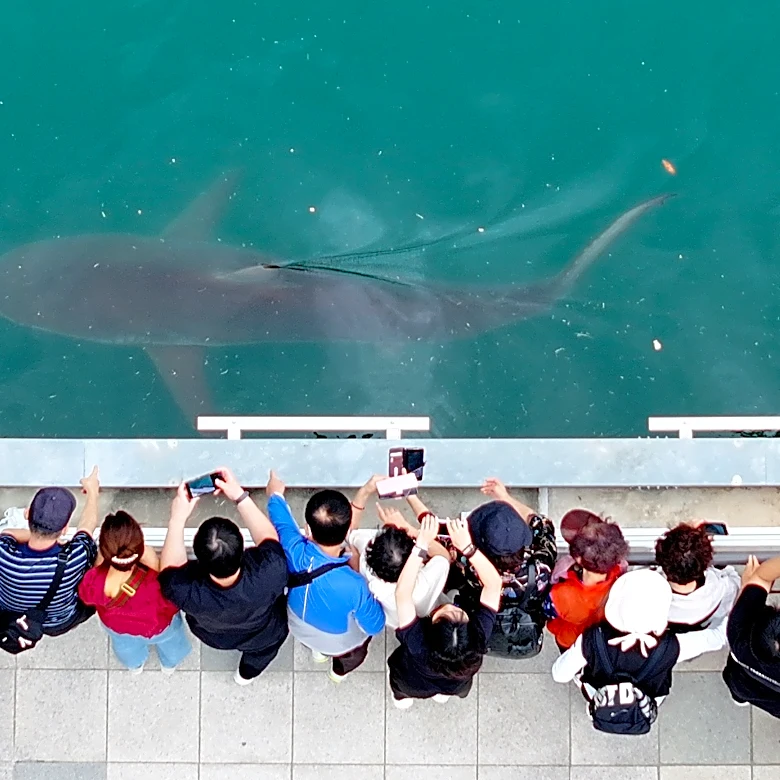
moniker 'Shark Bite Capital of the World.' Daytona Beach, situated just 25 minutes away, ranks second with 67 recorded incidents during the same period. Despite these statistics, the article emphasizes that shark incidents are rare when considering the millions of visitors these beaches attract annually. For instance, New Smyrna Beach saw 422,000 visitors in 2021, while Daytona Beach welcomes 10 million visitors to its beach and metro area each year.
Why It's Important?
The designation of these Florida beaches as high shark activity areas highlights the ongoing interaction between humans and marine wildlife in popular coastal regions. While the absolute number of incidents may seem high over centuries, the context of millions of visitors underscores the relative rarity of individual encounters. This information is crucial for public awareness and safety, prompting beachgoers to exercise caution and adhere to local guidelines. It also influences local tourism and emergency services, necessitating trained lifeguards and clear communication about potential risks. Understanding these statistics helps balance the economic benefits of tourism with the imperative of public safety and marine conservation, promoting responsible enjoyment of natural environments where wildlife naturally resides.
What's Next?
To mitigate risks, authorities and local communities will likely continue to implement and promote safety measures such as advising against swimming at dawn or dusk, encouraging group swimming, and monitoring local warnings. Educational campaigns may also be enhanced to inform visitors about shark behavior and appropriate responses during an encounter, emphasizing calmness and maintaining eye contact. The ongoing collection and analysis of data on shark interactions will be vital for refining these safety protocols and understanding long-term trends. Additionally, the focus will remain on highlighting the broader attractions of these coastal towns, such as their historic downtowns, surf schools, and cultural scenes, to ensure that the perception of shark activity does not overshadow the overall visitor experience.
Beyond the Headlines
Beyond the immediate safety concerns, the concentration of shark encounters in Volusia County prompts deeper reflection on human encroachment into marine habitats. As coastal populations grow and recreational water activities increase, interactions with wildlife become more frequent. This situation underscores the need for a balanced approach that respects the ocean as the sharks' natural environment while ensuring human safety. It also highlights the importance of scientific research into shark migration patterns, feeding behaviors, and the environmental factors that might influence their proximity to shorelines. Ultimately, these discussions contribute to a broader dialogue about sustainable tourism, ecological responsibility, and fostering a respectful coexistence with marine ecosystems.