






What's Happening?
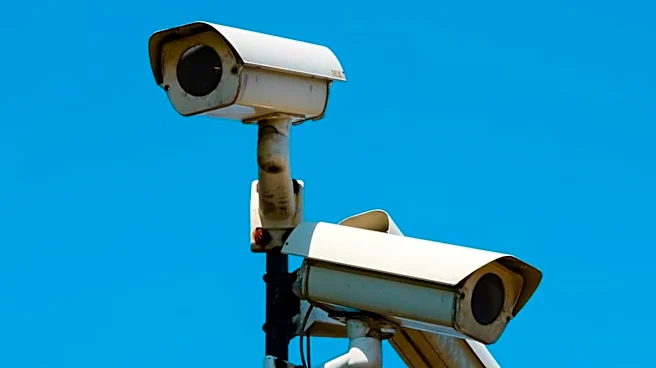
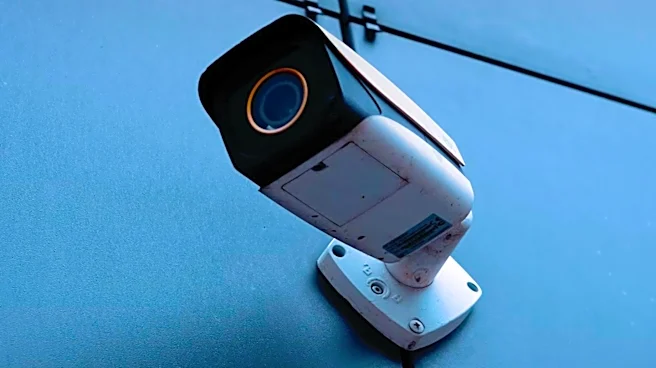
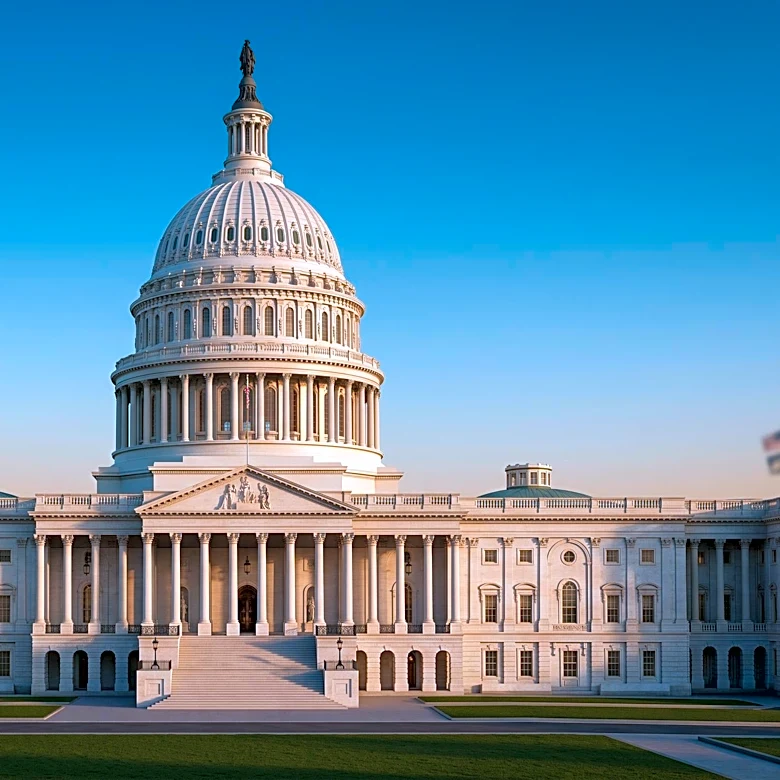
U.S. Representatives Eric Burlison (R-Mo.) and Thomas Massie (R-Ky.) have introduced the 'Flock-Off Act' (H.R. 10221), a bipartisan bill aimed at restricting federal funding for automated license plate readers (ALPRs) and biometric surveillance cameras.
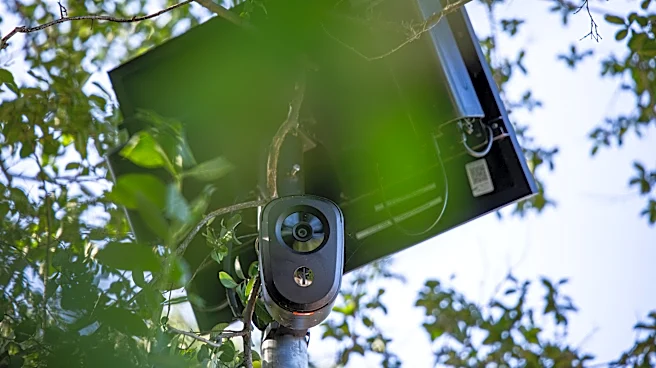
The proposed legislation seeks to prevent federal agencies and recipients of federal funding, including state, local, and tribal governments, from using federal money to purchase, install, operate, or upgrade these surveillance systems. This prohibition would also extend to related contracts, subscriptions, cloud storage, and data-sharing agreements. The bill mandates that federally funded camera systems must be removed or shut down within 180 days of the act becoming law. Exceptions are made for cameras used for border security within one mile of the U.S. borders and for toll collection, provided the data is used solely for those purposes. The initiative stems from concerns that the rapid advancement of surveillance technology, such as those provided by companies like Flock Safety, is outpacing legal protections and potentially infringing on Fourth Amendment rights.
Why It's Important?
This legislation is significant as it addresses growing concerns about privacy and potential government overreach in the use of surveillance technology. The widespread deployment of ALPRs and biometric cameras, with networks like Flock Safety's encompassing over 120,000 cameras across 49 states, allows for the creation of extensive databases that can track individuals' movements, even those not suspected of crimes. The bill highlights a tension between law enforcement's desire for effective tools to solve crimes and locate missing persons, and citizens' constitutional rights to privacy. By cutting off federal funding, the 'Flock-Off Act' could force state and local agencies to re-evaluate their reliance on these systems and potentially seek alternative, locally funded solutions, or scale back their surveillance operations. This could lead to a broader debate on the balance between security and privacy in the digital age and influence how future surveillance technologies are regulated and funded across the U.S.
What's Next?
If the 'Flock-Off Act' progresses through Congress and becomes law, federal agencies and any entities receiving federal funding for surveillance cameras would be required to cease operations or remove these systems within 180 days. This would necessitate a significant shift in how many law enforcement agencies and municipalities manage their surveillance infrastructure and budgets. The bill's introduction is likely to intensify the ongoing national conversation about surveillance technology, privacy rights, and the role of federal funding in local law enforcement practices. Stakeholders, including civil liberties advocates, law enforcement organizations, and technology providers like Flock Safety, are expected to continue lobbying and advocating for their respective positions as the legislative process unfolds. The debate may also prompt states and local governments to consider their own regulations regarding surveillance technology, irrespective of federal funding.
Beyond the Headlines
The 'Flock-Off Act' delves into the deeper societal implications of pervasive surveillance, touching upon fundamental questions of individual liberty and the nature of a 'surveillance state.' The bill's proponents argue that while surveillance cameras can be effective law enforcement tools, their unchecked proliferation and the creation of searchable databases can lead to a 'pattern of life' tracking for all citizens, regardless of criminal suspicion. This raises ethical concerns about the erosion of privacy in public spaces and the potential for misuse of data, as evidenced by reported incidents of officers using these systems for non-law enforcement purposes. The legislation also underscores the challenge of adapting constitutional rights, particularly the Fourth Amendment, to rapidly evolving technological capabilities. It prompts a re-evaluation of whether current legal frameworks are adequate to protect citizens from mass surveillance and whether a warrant should be a prerequisite for accessing such extensive personal movement data.