


What's Happening?
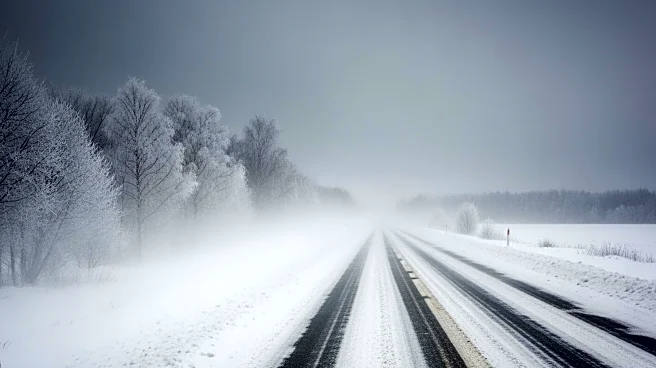
The tri-state area, including New York and New Jersey, is preparing for a significant blizzard expected to hit the region. Officials have issued warnings about hazardous travel conditions, urging residents to stay home if possible. New York City Mayor
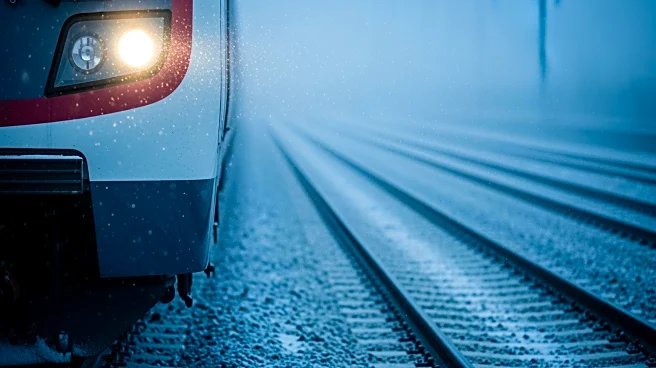
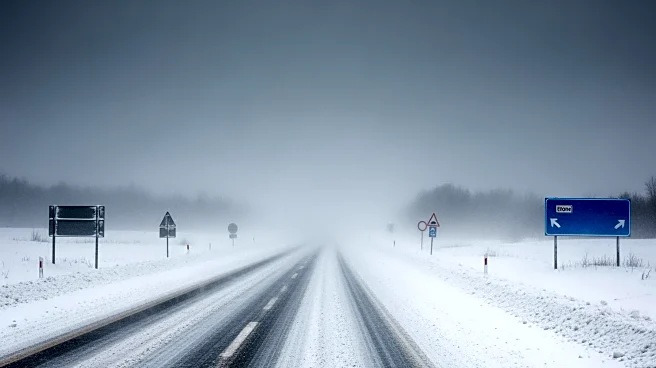
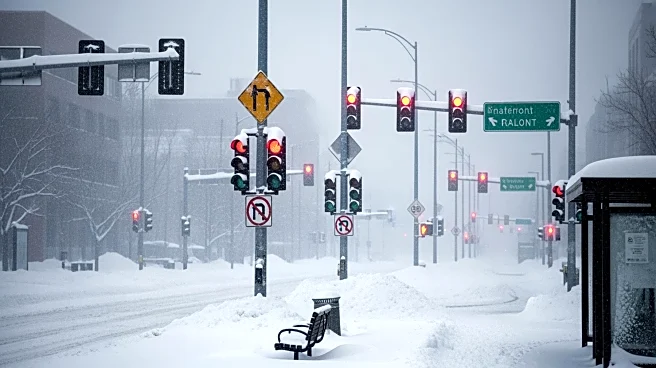
Zohran Mamdani has issued a hazardous travel advisory for Sunday and Monday, with alternate side parking suspended for Monday. The Metropolitan Transportation Authority (MTA) has announced that empty tractor-trailers and tandem trucks will be prohibited on several major bridges from Sunday evening to Monday morning. Public transit services, including buses and subways, will operate with adjustments based on weather conditions. NJ Transit has advised customers to travel only if necessary and is prepared to implement service adjustments as needed. The storm is expected to bring over a foot of snow, making travel difficult and potentially unsafe.
Why It's Important?
The impending blizzard poses significant challenges for transportation and public safety in one of the most densely populated regions in the United States. The travel advisories and transit adjustments are crucial to prevent accidents and ensure the safety of residents. The storm's impact on public transit could disrupt daily commutes and essential services, affecting millions of people. Businesses and schools may face closures, leading to economic and educational disruptions. The response from local authorities highlights the importance of preparedness and effective communication in managing severe weather events. The situation underscores the vulnerability of urban infrastructure to extreme weather and the need for resilient systems to mitigate such impacts.
What's Next?
As the storm approaches, authorities will continue to monitor weather conditions and adjust transit services accordingly. Residents are advised to stay informed through official channels for updates on service changes and safety advisories. The MTA and NJ Transit will provide real-time information to help commuters plan their travel. In the aftermath of the storm, cleanup and recovery efforts will be critical to restoring normalcy. The effectiveness of these efforts will depend on the coordination between government agencies and the public's adherence to safety guidelines. The storm may also prompt discussions on improving infrastructure resilience to better handle future weather events.