


What's Happening?
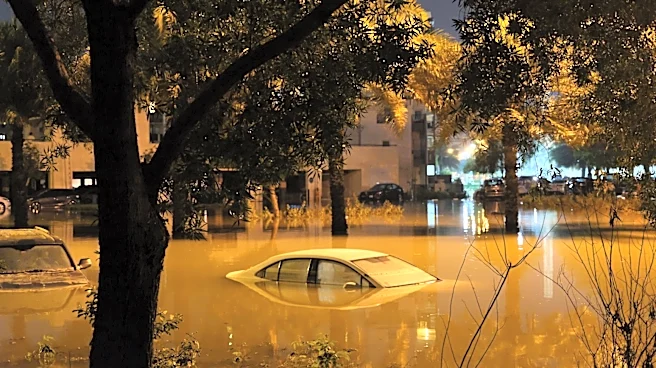
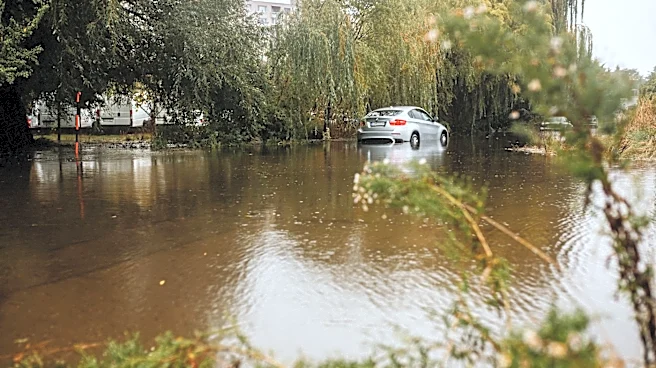
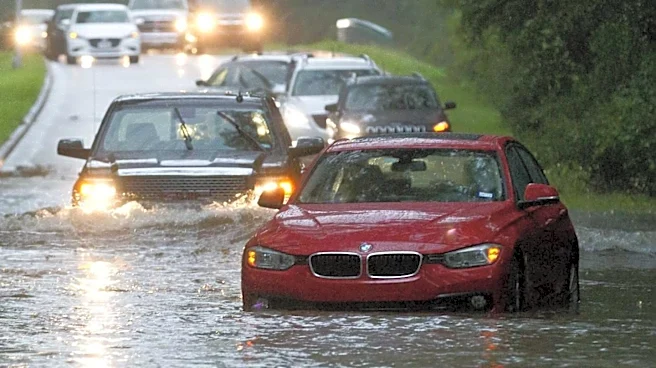
Ringgold businesses and homes experienced significant damage due to a surge of stormwater runoff early Friday morning. Heavy rainfall and upstream runoff overwhelmed parts of the city, leading to widespread flooding. Ringgold Mayor Kelly Bomar reported
that while the downtown stormwater system initially handled the flow, conditions rapidly deteriorated. By approximately 1:05 a.m., the volume of water exceeded the capacity of detention areas, causing overflow that impacted several downtown businesses. Areas near Highway 41, including Rick Worley & Son and Greased Lightning, were particularly hard-hit, with fast-moving water displacing dumpsters and damaging multiple vehicles. At Rick Worley & Son, workers received a call around midnight indicating the auto shop was filling with floodwater, and two Jeeps were swept away. Other vehicles were left soaked and filled with mud and debris, with some scheduled for pickup being totaled. Businesses like Caffeine Addicts and Frames and Gallery in downtown Ringgold also reported severe flooding, with owners assessing damage and planning for cleanup and reopening.
Why It's Important?
This flooding event in Ringgold underscores the increasing vulnerability of communities to extreme weather patterns and the critical need for robust stormwater management infrastructure. The significant damage to local businesses, including auto shops and cafes, highlights the economic fragility of small enterprises in the face of natural disasters. Beyond immediate property losses, businesses face operational disruptions, inventory damage, and potential long-term financial strain, impacting local employment and the overall economic health of Ringgold. The incident also brings to light the challenges of urban planning in areas susceptible to flash flooding, emphasizing the importance of effective drainage systems, detention areas, and early warning protocols. For residents, the devastation of homes means displacement, costly repairs, and emotional distress, reinforcing the broader societal impact of inadequate flood preparedness and climate resilience strategies.
What's Next?
In the immediate aftermath, Ringgold business owners and residents are focused on assessing the full extent of the damage, cleaning up mud and debris, and salvaging what they can. Many businesses, like Frames and Gallery, are temporarily closed, with owners hoping to reopen within days, depending on the cleanup progress. The city will likely need to evaluate its stormwater infrastructure to identify vulnerabilities and implement improvements to prevent future occurrences. This could involve upgrading drainage systems, expanding detention capacities, and developing more effective flood mitigation strategies. There may also be discussions about financial assistance for affected businesses and homeowners, potentially through local, state, or federal aid programs. The incident serves as a stark reminder for communities to review and enhance their disaster preparedness and response plans.
Beyond the Headlines
The Ringgold flooding incident is a localized manifestation of a broader national challenge: the impact of climate change and increased extreme weather events on infrastructure and communities. The rapid overwhelming of the stormwater system points to the limitations of existing infrastructure designed for historical weather patterns. This event could catalyze a re-evaluation of zoning laws, building codes, and development practices in flood-prone areas, encouraging more resilient construction and land use. It also highlights the interconnectedness of upstream and downstream communities in water management, emphasizing the need for regional cooperation in addressing stormwater runoff. The long-term implications include potential shifts in insurance markets, increased demand for flood-resistant technologies, and a greater public discourse on the costs and benefits of investing in climate adaptation measures versus reactive disaster response.