






What's Happening?
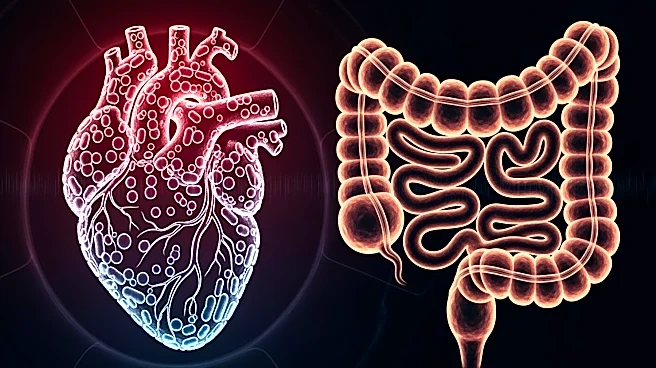
Recent research presented at ASM Microbe 2026 has uncovered a potential link between gut microbes and the cardiovascular complications associated with obstructive sleep apnea. The study, conducted on mice, suggests that gut microbes and the compounds
they produce may protect against heart disease, a serious consequence of sleep apnea. The research focused on the role of bile acids, which are modified by gut microbes and can influence plaque buildup in arteries. The study found that mice lacking a specific bile acid receptor, FXR, developed less arterial plaque under sleep apnea-like conditions.
Why It's Important?
This research could pave the way for new treatments targeting gut microbes to mitigate cardiovascular risks in sleep apnea patients. Sleep apnea affects millions, and its link to heart disease poses significant health challenges. By understanding the role of gut microbes, scientists can explore probiotic treatments or bile acid supplements to reduce these risks. This approach could offer a non-invasive alternative to current treatments, potentially improving the quality of life for those affected by sleep apnea.
What's Next?
The research team plans to examine human datasets to see if similar patterns exist in people with sleep apnea. They also aim to test whether specific bile acids or beneficial microbes can prevent or reduce cardiovascular disease in humans. If successful, these findings could lead to the development of new therapies that target bile acid signaling or use probiotics to manage heart disease risk in sleep apnea patients.