







What's Happening?
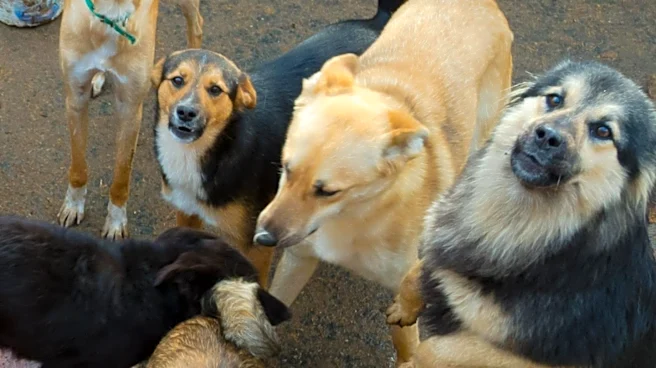
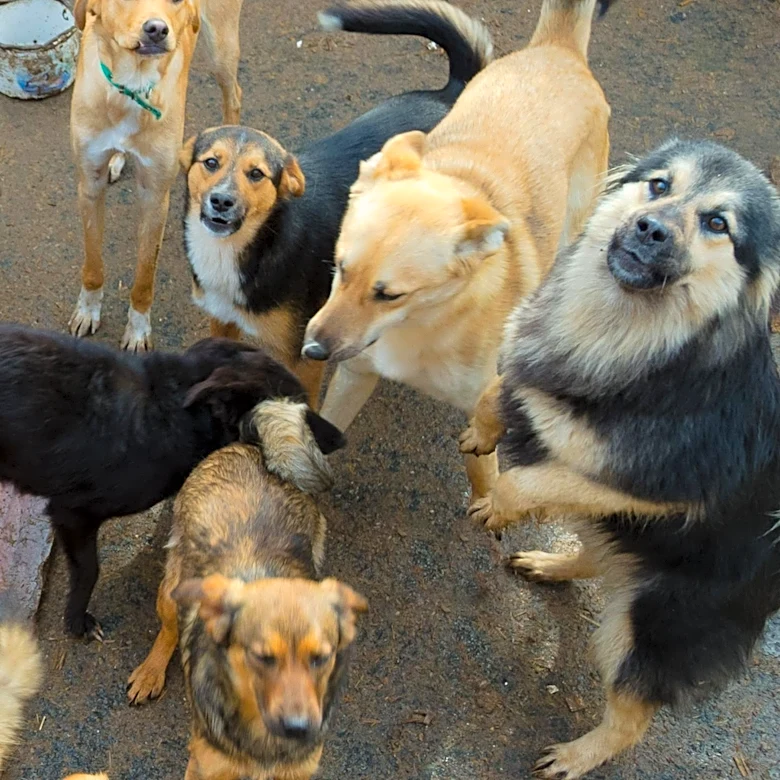
Buffalo is set to construct a new $30 million animal shelter on Louisiana Street, replacing the current facility on Oak Street. The new shelter will be located in a former Buffalo Police Department substation. This development follows previous challenges
in securing a permanent location for the animal shelter, with earlier plans having been discarded. The existing Oak Street shelter has been described as dated, cramped, and out of compliance with current standards. The move aims to significantly improve the care provided to animals and position Buffalo as a leader in animal welfare. The announcement was made by Ryan, indicating a firm commitment to the project.
Why It's Important?
The establishment of a modern animal shelter is crucial for Buffalo's community and animal welfare standards. The current facility's deficiencies, including being cramped and out of compliance, likely impact the health and well-being of the animals housed there, as well as the efficiency of staff operations. A new, state-of-the-art shelter can lead to better adoption rates, improved veterinary care, and enhanced public perception of animal welfare in the city. This investment also reflects a commitment to public health, as proper animal control and care facilities can mitigate issues like stray populations and disease transmission. For residents, it means a more humane approach to animal services and potentially a more accessible facility for adoptions and other interactions.
What's Next?
With the location now confirmed on Louisiana Street, the next steps will likely involve detailed planning, architectural design, and securing the necessary permits for construction. The project will then move into the construction phase, with an anticipated timeline for completion. The city will need to manage the transition from the old Oak Street facility to the new one, ensuring continuous care for animals during this period. Community engagement and fundraising efforts might also be initiated to support the new shelter's operations and amenities. The successful completion of this project is expected to significantly upgrade Buffalo's animal welfare infrastructure.
Beyond the Headlines
This initiative goes beyond simply replacing an old building; it signifies a broader shift in how Buffalo addresses animal welfare. A modern facility can attract more volunteers, foster partnerships with animal advocacy groups, and implement innovative programs for animal rehabilitation and community education. The investment in a $30 million facility underscores a recognition of animals as integral members of the community, deserving of high-quality care and protection. This could set a precedent for other cities facing similar challenges with aging infrastructure for animal services, highlighting the importance of sustained investment in humane treatment and public health.