

What's Happening?
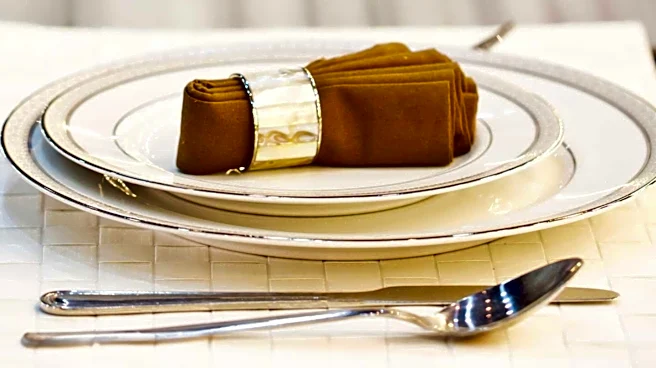
Presidential meals have long served as a window into the traditions and diplomatic efforts of the United States. From state dinners to casual lunches, these meals have played a significant role in American politics and international relations. Historical
events such as President Ronald Reagan's 1982 state dinner at Windsor Castle and President Jimmy Carter's 1979 dinner with Chinese Vice Premier Deng Xiaoping highlight the importance of these gatherings in fostering diplomatic ties. These meals not only reflect the personal tastes of the presidents but also symbolize the broader political and cultural contexts of their times.
Why It's Important?
The tradition of presidential meals underscores the role of food in diplomacy and international relations. These events provide a platform for leaders to engage in high-level discussions in a more relaxed setting, often leading to significant diplomatic breakthroughs. The historical significance of these meals is evident in their ability to mark pivotal moments in foreign policy, such as the establishment of diplomatic relations between the U.S. and China. Understanding the cultural and political implications of these meals offers insights into how informal settings can facilitate formal agreements and strengthen international partnerships.