
What's Happening?
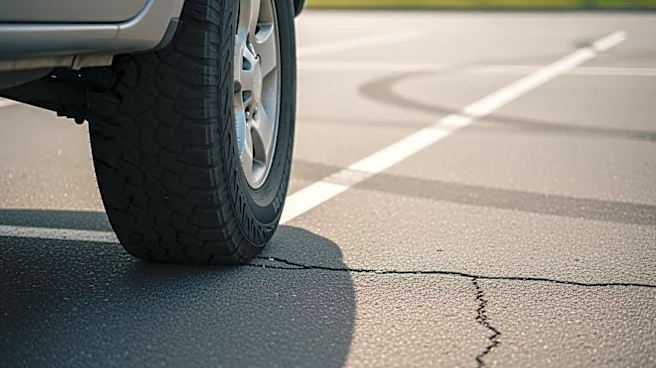
A viral video has brought attention to the dangers posed by elevated pickup trucks after a Florida woman drove her raised Chevrolet Silverado over a Lamborghini sports car in a parking lot near Orlando.
The incident occurred as the woman was searching for a parking spot and failed to see the low-slung Lamborghini, which has a market price of $250,000. The sports car driver attempted to reverse but was unable to avoid the collision. Fortunately, no injuries were reported. This event underscores the issue of blind spots associated with elevated vehicles, which have been linked to an increase in accidents and fatalities over the past three decades. Despite the presence of proximity sensors and cameras in many modern vehicles, it remains unclear if the pickup involved was equipped with such technology.
Why It's Important?
The incident highlights a significant safety concern on U.S. roads, where elevated vehicles, including factory-standard models, have become increasingly common. These vehicles often have front ends that are significantly higher off the ground, creating blind spots that can obscure objects and people directly in front of them. This has led to a rise in 'frontover' accidents, which are particularly dangerous for pedestrians and smaller vehicles. The National Safety Council and Consumer Reports have both noted the growing risk associated with these vehicles. A bill introduced in Congress in 2022 aimed to mandate front cameras or sensors on all new vehicles to mitigate these risks, but it has yet to gain traction.
What's Next?
The ongoing debate over vehicle safety standards may gain renewed attention following this incident. Advocates for road safety might push for legislative action to require enhanced safety features on elevated vehicles. Automakers could face increased pressure to incorporate advanced sensor technology as standard equipment in new models. Additionally, public awareness campaigns could be launched to educate drivers about the potential hazards of driving elevated vehicles, particularly in urban and crowded environments.