
What's Happening?
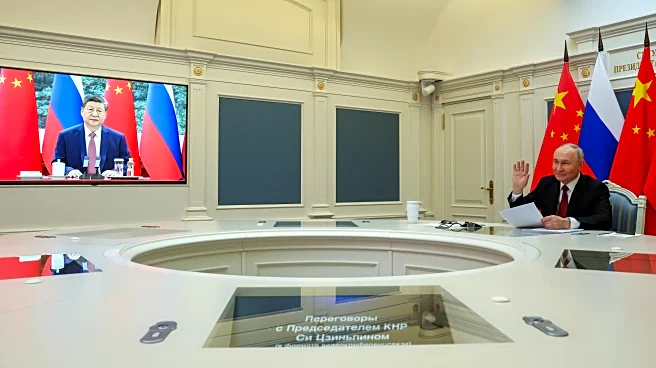
Russia is set to increase its liquefied petroleum gas (LPG) exports to China by 40% in 2026, according to Petromarket consultancy. This move is part of Russia's strategic pivot towards Eastern markets
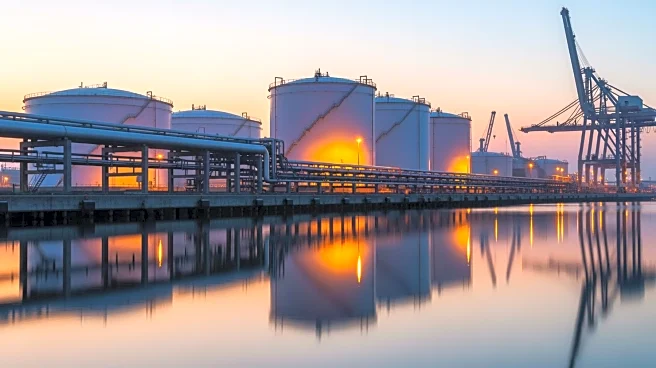
following Western sanctions imposed due to its 2022 invasion of Ukraine. The European Union's sanctions on Russian LPG took effect in December 2024, prompting Russia to seek alternative markets for its energy exports. LPG, which includes propane and butane, is primarily used as fuel for vehicles, heating, and in the production of petrochemicals. Russia's Gazprom has already ramped up LPG exports to China from its Amur gas processing plant in eastern Siberia, which began operations earlier this year. The plant is reported to produce between 40,000 and 45,000 tons of LPG monthly, with China being a major recipient.
Why It's Important?
The increase in LPG exports to China signifies Russia's ongoing efforts to mitigate the impact of Western sanctions by strengthening economic ties with Eastern countries. This shift not only affects the global energy market but also highlights the geopolitical realignment as Russia seeks to reduce its dependency on European markets. For China, this development ensures a steady supply of LPG, supporting its energy needs and industrial growth. The move could also influence global LPG prices and trade dynamics, as Russia's increased supply to China might alter existing supply chains and market shares. Additionally, this strategy underscores the broader implications of geopolitical tensions on international trade and energy security.
What's Next?
As Russia continues to pivot towards Eastern markets, further increases in energy exports to China and other Asian countries are likely. This could lead to deeper economic integration between Russia and China, potentially affecting global trade policies and alliances. Western countries may respond by reinforcing sanctions or seeking alternative energy sources to counterbalance Russia's influence. The ongoing geopolitical tensions could also prompt other countries to reassess their energy strategies and partnerships, potentially leading to shifts in global energy policies and investments.