





What's Happening?
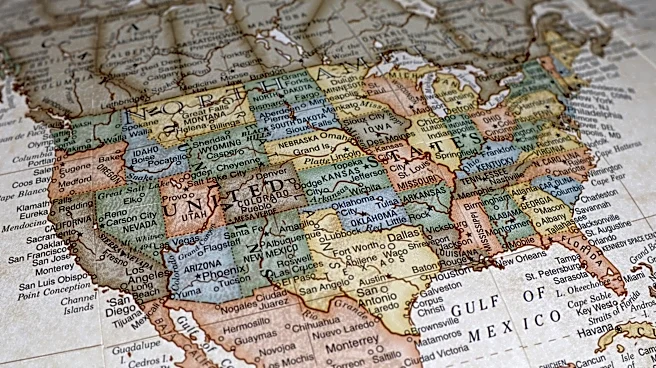
Iowa has been identified as having the second-highest rate of new cancer cases in the United States, a situation that has been escalating since 2013. This alarming statistic has become a focal point in public policy and healthcare discussions across the state.
Mary Charlton, who leads the Iowa Cancer Registry, has been actively involved in tracking these cases and providing annual reports. The rising cancer rates have been linked to environmental risk factors, particularly in the Des Moines area, where issues such as watering bans and nitrates in the water have been highlighted. Researchers are currently investigating the primary causes of cancer in Iowa, with a comprehensive report expected to be submitted to the state in August as part of the Key Drivers of Cancer in Iowa Project.
Why It's Important?
The increase in cancer cases in Iowa is significant as it impacts public health policy and resource allocation within the state. The high incidence of cancer, especially among young adults aged 20-39, necessitates urgent attention from healthcare providers and policymakers. Understanding the environmental factors contributing to these rates is crucial for developing effective prevention and intervention strategies. The findings from ongoing research could lead to changes in environmental regulations and public health initiatives aimed at reducing cancer risks. This situation also underscores the need for increased public awareness and education on cancer prevention and early detection.
What's Next?
The upcoming report from the Key Drivers of Cancer in Iowa Project will provide detailed insights into the factors contributing to the state's high cancer rates. This report is expected to guide future public health strategies and policy decisions. Stakeholders, including healthcare providers, environmental agencies, and community leaders, will likely use the findings to advocate for changes in environmental policies and to implement targeted cancer prevention programs. Public forums and listening sessions may continue to engage residents in discussions about cancer risks and prevention strategies.
Beyond the Headlines
The situation in Iowa highlights broader issues related to environmental health and its impact on public health outcomes. The state's experience could serve as a case study for other regions facing similar challenges. It raises questions about the balance between industrial activities and environmental protection, and the role of government in regulating potential health hazards. Long-term, this could lead to increased investment in environmental health research and more stringent regulations to protect public health.