







What's Happening?
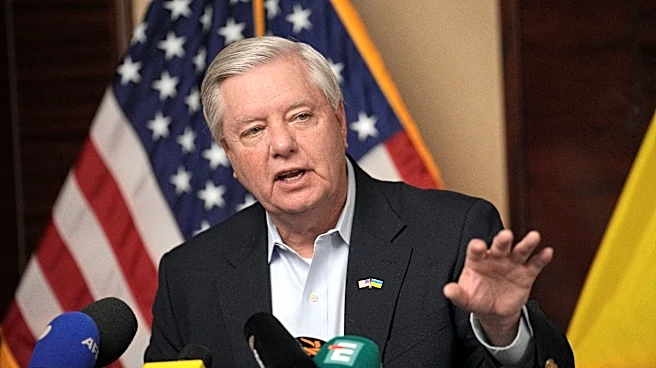
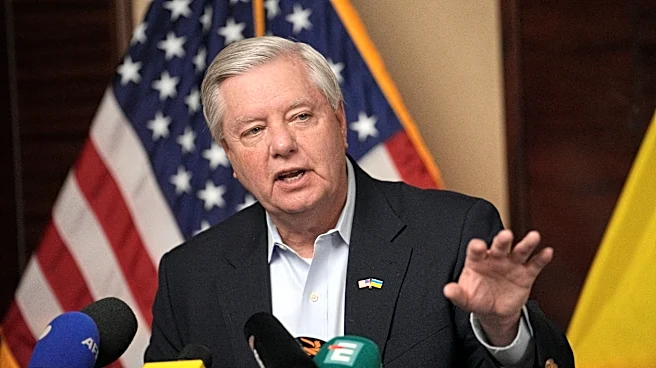
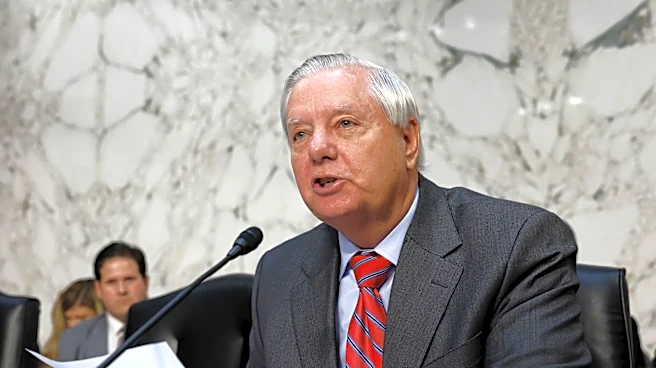
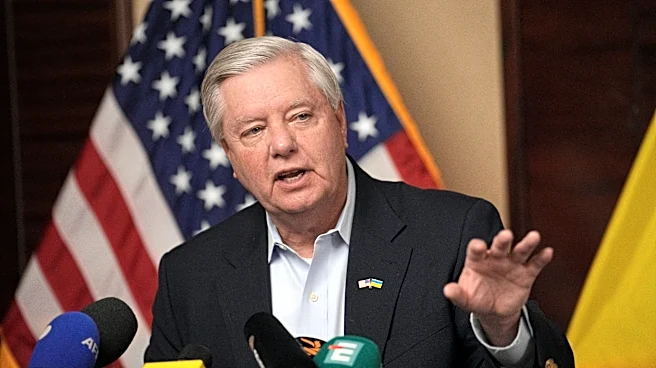
Israeli leaders, including Prime Minister Benjamin Netanyahu and President Isaac Herzog, have expressed their condolences following the sudden death of U.S. Senator Lindsey Graham. The South Carolina senator, known for his strong support of Israel, passed
away at the age of 71 due to a brief illness. Emergency services responded to a cardiac arrest call at his Capitol Hill residence. Graham was recognized as a steadfast ally of Israel, with Israeli officials highlighting his contributions to the U.S.-Israel partnership. His passing has been met with tributes from various Israeli leaders who praised his dedication to Israel's security and his role in strengthening bilateral relations.
Why It's Important?
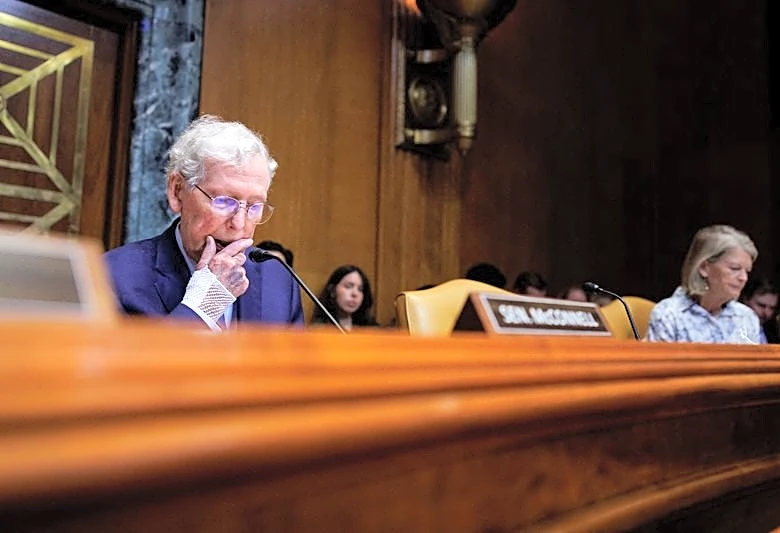
Senator Lindsey Graham's death marks the loss of a significant figure in U.S.-Israel relations. As a prominent advocate for Israel in the U.S. Senate, Graham played a crucial role in shaping foreign policy that supported Israel's security interests. His efforts have been instrumental in maintaining and enhancing the strategic alliance between the two nations. The tributes from Israeli leaders underscore the impact of his work on international diplomacy and the geopolitical landscape. His absence may influence future U.S. foreign policy decisions regarding Israel and the broader Middle East region.
What's Next?
In the wake of Senator Graham's passing, there may be shifts in the dynamics of U.S. foreign policy, particularly concerning Israel. His successors and colleagues in the Senate will need to navigate the continuation of his legacy in supporting Israel. The U.S. and Israeli governments may engage in discussions to ensure the ongoing strength of their partnership. Additionally, political leaders in both countries might reflect on Graham's contributions to reassess and potentially recalibrate their diplomatic strategies.
Beyond the Headlines
Senator Graham's death also highlights the broader implications of individual leadership in international relations. His personal commitment to Israel exemplifies how individual policymakers can significantly influence bilateral ties. This event may prompt discussions on the importance of cultivating new leaders who can continue to champion strong international alliances. Furthermore, it raises questions about the future of U.S. foreign policy leadership and the potential for new voices to emerge in the Senate.