





What's Happening?
Illinois Governor JB Pritzker has signed 75 new bills into law, including measures that allow rideshare drivers to unionize and increase state oversight of the federal 340B drug-pricing program. The rideshare unionization law makes Illinois the third
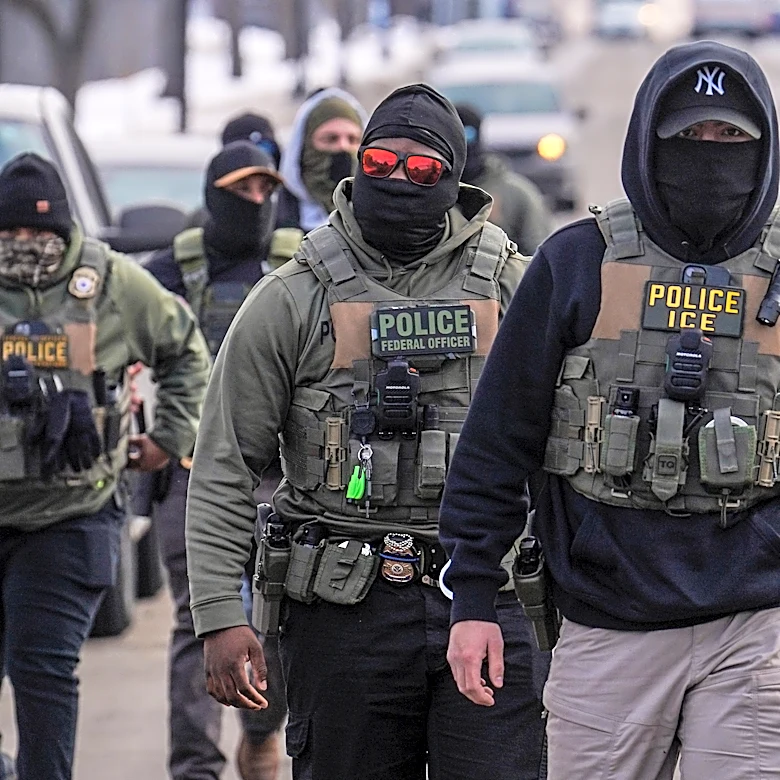
state to permit rideshare drivers to collectively bargain, impacting over 100,000 drivers. The drug-pricing oversight laws aim to enhance transparency and accountability in the 340B program, which provides discounted drugs to healthcare providers serving uninsured or Medicaid patients. Other signed bills address immigration detention center locations, plastic pellet pollution, and light pollution regulations.
Why It's Important?
The new laws reflect significant policy shifts in Illinois, particularly in labor rights and healthcare regulation. Allowing rideshare drivers to unionize could lead to improved working conditions and benefits for thousands of drivers, setting a precedent for other states. Enhanced oversight of the 340B program may curb potential abuses and ensure that discounts benefit the intended recipients, potentially affecting drug manufacturers and healthcare providers. The environmental regulations on plastic pellets and light pollution demonstrate Illinois' commitment to addressing pollution and protecting natural resources.
What's Next?
The implementation of these laws will require coordination among various state agencies and stakeholders. Rideshare companies will need to adapt to the new unionization framework, which may involve negotiating with driver representatives. The Illinois Department of Insurance will conduct a study on the impact of the 340B program, which could lead to further legislative action based on its findings. Environmental agencies will develop plans to enforce new pollution regulations, potentially influencing similar policies in other states.