








What's Happening?
A state-commissioned task force in New Mexico has recommended a ban on screen time for students in kindergarten through second grade. This recommendation stems from growing concerns regarding the use of technology and artificial intelligence (AI) in classrooms.
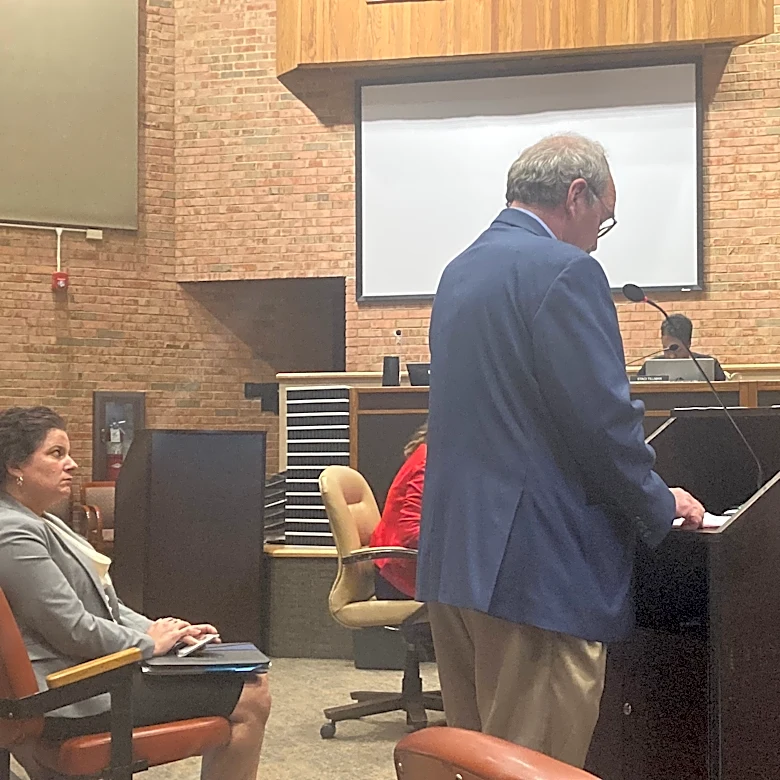
The task force, formed after lawmakers voted to study the effects of screen time in elementary schools, presented its findings to the Legislative Education Study Committee. In addition to the screen time moratorium for younger students, the group suggested age-appropriate digital guidelines for all grade levels, minimizing 'nonessential' technology use, and limiting gaming and social media in schools. The New Mexico Public Education Department is advised to create best practices for families and schools on technology usage and propose policies to keep in-school screen time to a minimum, with exceptions for distance learning, computer courses, or disability accommodations. School districts are encouraged to develop their own digital guidelines in line with these recommendations and consider promoting pen-and-paper assignments. New Mexico is currently the only state with a legislative task force dedicated to studying screen time in schools, though other states like Alabama, Iowa, Utah, and Tennessee have implemented measures to cap classroom technology use.
Why It's Important?
This initiative in New Mexico highlights a growing national debate about the role of technology in early childhood education and its potential impact on cognitive development. The task force's recommendations reflect a broader concern among parents and educators that excessive screen time may be detrimental to young students. The focus on banning screen time for the youngest learners (K-2) underscores a belief that face-to-face interaction, play, and movement are critical for their developmental stages. The push for pen-and-paper assignments and the minimization of 'nonessential' technology could lead to a significant shift in educational practices, potentially reducing reliance on digital tools that have become commonplace. Furthermore, the task force's recommendations address parental anxieties, particularly regarding AI programs like Amira, which some districts have opted out of due to privacy and developmental concerns. This move could set a precedent for other states grappling with similar issues, influencing policy decisions on technology integration in schools nationwide and potentially impacting ed-tech companies.
What's Next?
The recommendations from the New Mexico task force will likely lead to legislative action in the upcoming session. The New Mexico Public Education Department is expected to develop a list of best practices and policy suggestions for schools and families regarding technology use. School districts will then be tasked with creating their own digital guidelines, potentially incorporating more pen-and-paper assignments and stricter limits on screen time. There may be continued debate and adjustments to these recommendations as various stakeholders, including parents, educators, and technology advocates, weigh in. The state's unique position as the only one with a legislative task force specifically studying screen time in schools could make its eventual policies a model or point of reference for other states considering similar measures. The ongoing discussion around AI programs in schools, such as Amira, will also continue, with potential for further district opt-outs or state-level regulations.
Beyond the Headlines
The New Mexico task force's recommendations delve into the deeper societal implications of pervasive digital technology on child development. Beyond the immediate educational context, this initiative touches upon the ethical considerations of introducing AI and extensive screen use to young, developing minds. The concerns about 'digital dementia' and the potential for technology to alter brain structure, as suggested by some studies, raise profound questions about long-term public health. The emphasis on human interaction and traditional learning methods reflects a cultural re-evaluation of what constitutes effective and healthy education in the digital age. This movement could foster a broader societal shift towards prioritizing offline activities and human connection, potentially influencing parenting styles, community programs, and even urban planning to create more screen-free environments for children. It also highlights the tension between technological advancement and the preservation of traditional developmental pathways, prompting a re-examination of how society balances innovation with well-being.