
What's Happening?
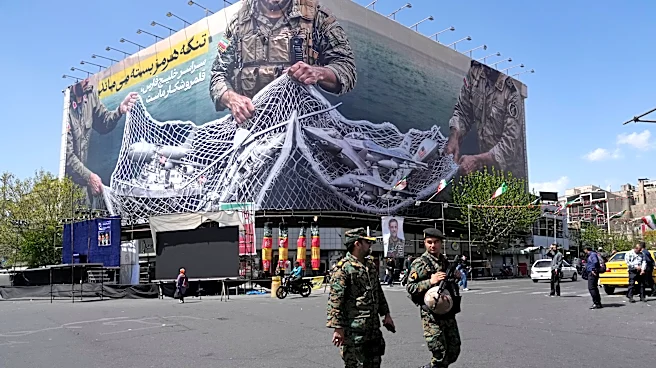
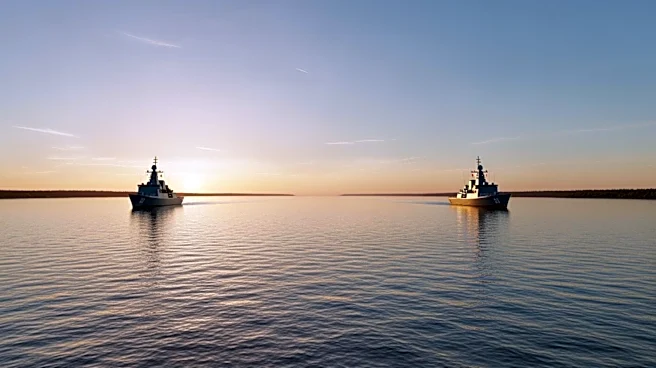
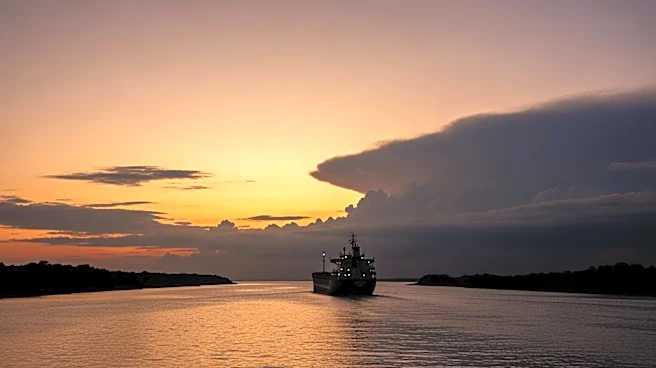
Iran has asserted control over the Strait of Hormuz, a critical global oil shipping route, following a temporary ceasefire with the U.S. Despite international law guaranteeing free passage, Iran is demanding
payments from ships and imposing restrictions on transit. This new reality gives Iran significant leverage, as the strait is crucial for global oil supply. The U.S. is pressing European allies to help secure the waterway, while Gulf states express concern over Iran's actions. The situation remains tense, with fears that the fragile ceasefire may not hold.
Why It's Important?
The control of the Strait of Hormuz by Iran is significant as it impacts global oil markets and regional stability. The strait is a vital chokepoint for oil transportation, and Iran's actions could disrupt global energy supplies. This development also highlights the ongoing tensions between the U.S. and Iran, with potential implications for international relations and economic stability. The situation underscores the strategic importance of the strait and the need for international cooperation to ensure freedom of navigation.
What's Next?
The U.S. and its allies are likely to continue diplomatic efforts to ensure the reopening of the strait without restrictions. However, Iran's control over the strait may lead to further tensions and potential conflicts in the region. The international community will need to address the implications of Iran's actions and work towards a resolution that ensures stability and security in the region. The situation may also impact global oil prices and economic conditions, particularly for countries dependent on oil imports.