



What's Happening?
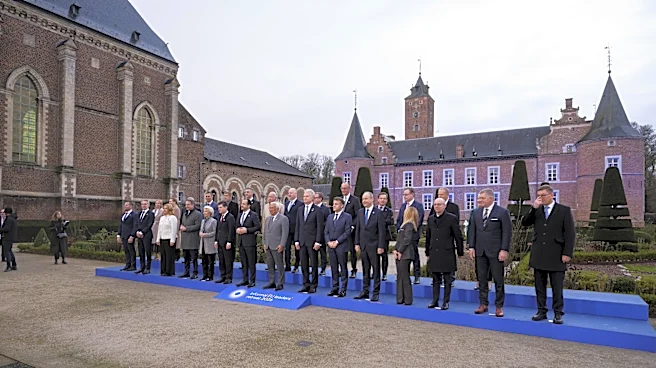
The European Union (EU) is actively re-evaluating and strengthening its relationship with the United Nations (UN) in response to evolving geopolitical landscapes and intensifying global competition. The EU aims to enhance its influence, advance strategic
interests, and contribute to more effective global leadership. This involves examining opportunities to strengthen EU representation within UN institutions, expanding diplomatic engagement with the Global South, and enhancing its leadership in peacekeeping and conflict prevention. The EU also seeks to leverage its collective economic power, development assistance, climate diplomacy, technological capabilities, and security partnerships to address emerging threats. Historically, the EU has progressively expanded its engagement with the UN system since gaining permanent observer status in 1974, deepening its institutional relationship through treaties like Maastricht and Lisbon, and becoming a major financial contributor to UN agencies and programs. Current EU priorities for engagement with the UN include reforming multilateralism, advancing UN reform, strengthening peace and security, and promoting sustainable development, with a specific focus on global conflict prevention and developing frameworks for artificial intelligence.
Why It's Important?
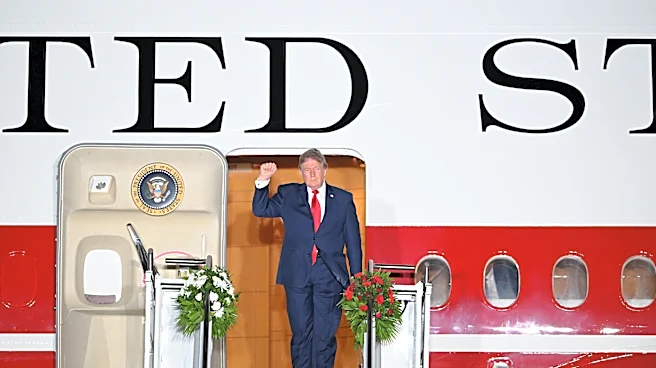
The EU's strategic repositioning within the UN system is crucial for reinforcing international cooperation and upholding a rules-based international order amidst growing global challenges. By strengthening its influence, the EU can more effectively advocate for its principles of democracy, human rights, and the rule of law on a global stage. Enhanced EU participation could provide additional financial support to the UN, bolster the promotion of the UN Charter, and deepen engagement with the Global South, fostering more equitable partnerships. This move is particularly significant as the role of the United States in the international system continues to evolve, creating a vacuum that the EU aims to help fill. A more cohesive and influential EU at the UN could lead to more coordinated international responses to crises, better global standards for emerging technologies like AI, and stronger collective action on climate change and sustainable development, benefiting global stability and cooperation.
What's Next?
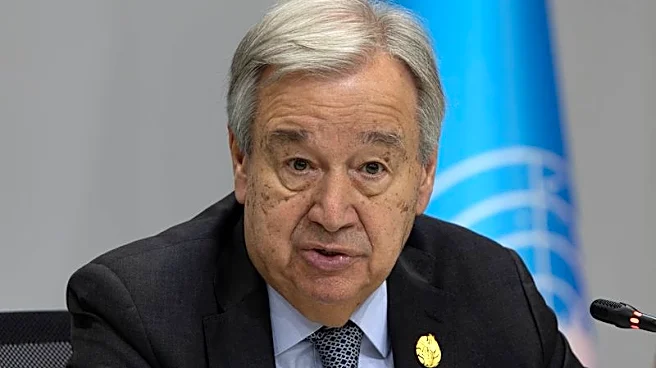
The EU plans to continue pressing for fuller participation in UN-related agreements and institutions to leverage its diplomatic, economic, and security capabilities more effectively. This includes working with the UN to explore expanded participation rights within applicable legal and institutional frameworks. The EU will also focus on making UN reform a central priority, particularly reform of the Security Council and its veto structure, advocating for expanded permanent representation to include states from the Global South. Furthermore, the EU intends to support a strong candidate for the next UN Secretary-General, preferably from the Global South, who can represent universal democratic principles and effectively engage with leaders of major powers. The EU will also seek to deepen its partnerships across the Global South, engaging not only with governments but also with local private organizations, civil society groups, and media figures to communicate the benefits of UN programs directly to communities.
Beyond the Headlines
The EU's intensified focus on strengthening its UN partnership reflects a broader strategic effort to assert its role as a significant global actor in a multipolar world. This initiative goes beyond mere diplomatic engagement; it signifies a commitment to shaping global governance and norms in an era marked by geopolitical competition and technological disruption. By advocating for UN reform and deeper engagement with the Global South, the EU is implicitly challenging traditional power structures within international institutions and promoting a more inclusive multilateralism. This could lead to a rebalancing of influence within the UN, potentially fostering greater legitimacy and effectiveness for the organization. The emphasis on issues like AI governance and cybersecurity also highlights the EU's ambition to lead in defining ethical and regulatory frameworks for emerging technologies, setting precedents that could have far-reaching implications for global digital governance and human rights in the digital age.