
What's Happening?
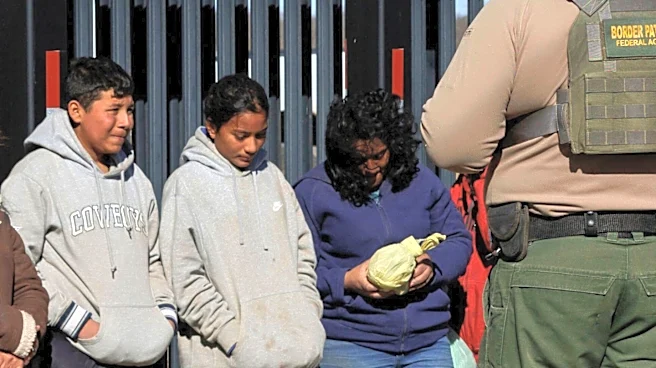
A state-run program in New York, designed to relocate asylum seekers from crowded New York City shelters, assisted 671 families, totaling over 2,000 adults and children, with roughly half settling in Rochester.
The Migrant Relocation Assistance Program (MRAP) provided rental subsidies and support services, with a focus on achieving self-sufficiency within a year. However, the program stopped accepting new families in June 2025 and ended its contracts with service providers in July 2026. Officials estimate that more than a quarter of those who came to Rochester have since left, returning to New York City, moving elsewhere, or leaving the country. Reasons for departure include limited job opportunities, fear of immigration enforcement outside of New York City, and delays in obtaining work authorization. Despite these challenges, many, including a Nicaraguan family, have managed to find work and are in the process of buying a home.
Why It's Important?
This situation highlights the complex challenges faced by asylum seekers in the U.S. and the limitations of relocation programs. While MRAP aimed to alleviate pressure on New York City's shelter system and offer new opportunities, the high rate of departure from Rochester indicates that systemic issues, such as access to employment and fear of immigration enforcement, remain significant barriers. For the U.S., this underscores the need for comprehensive immigration reform that addresses work authorization delays and provides more robust support for asylum seekers integrating into new communities. The experiences of these families also shed light on the broader impact of political instability in countries like Nicaragua, where many, like the featured family, fled authoritarian regimes and human rights abuses, seeking safety and a path to legal residency in the U.S.
What's Next?
With the MRAP program concluded, asylum seekers who remain in Rochester and other relocated areas will continue to navigate the asylum process independently, seeking work authorization and permanent residency. Community organizations will likely play an even more critical role in providing support services, legal aid, and integration assistance. The experiences of these families may inform future state and federal policies regarding migrant relocation and support programs, emphasizing the need for long-term solutions that address economic integration and legal status. The ongoing political situation in Nicaragua, which prompted many to seek asylum, suggests that the flow of asylum seekers to the U.S. will likely continue, necessitating sustained attention to immigration policies and humanitarian aid.
Beyond the Headlines
The story of Nicaraguan asylum seekers in Rochester reveals the profound personal journeys and resilience of individuals fleeing persecution. The fear of immigration enforcement, even for those pursuing legal asylum, underscores a climate of uncertainty that can hinder integration and well-being. The success of some families in finding employment and even purchasing homes, despite the program's end, speaks to their determination and the potential for positive outcomes when support structures are in place. However, the broader narrative highlights the ethical and practical dilemmas of managing large-scale migration, balancing humanitarian concerns with economic realities and legal frameworks. It also implicitly calls attention to the U.S.'s role as a destination for those escaping political turmoil, and the moral imperative to provide a clear and humane pathway for those seeking refuge.