





What's Happening?
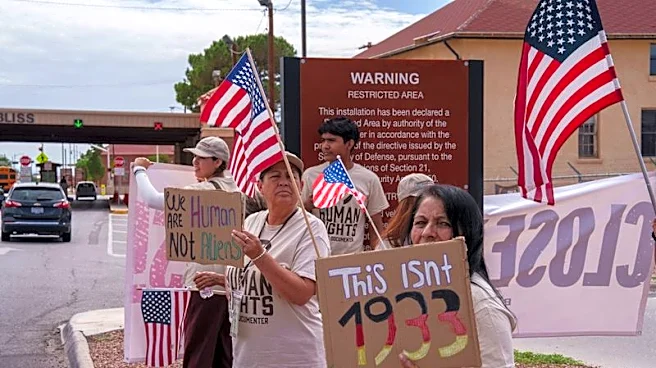
Recent incidents involving Immigration and Customs Enforcement (ICE) agents have raised concerns about accountability and the use of force. In two separate cases, ICE agents shot individuals who were not the targets of investigations, leading to public
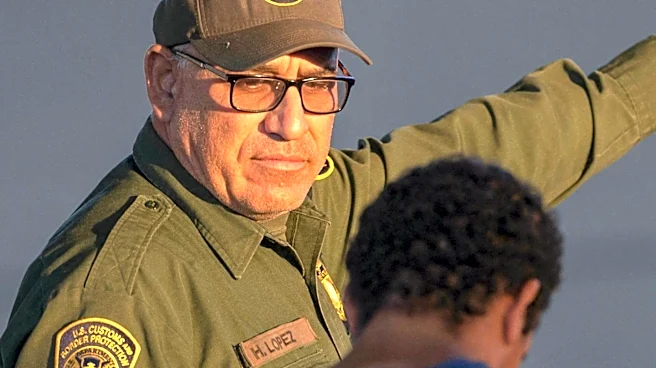
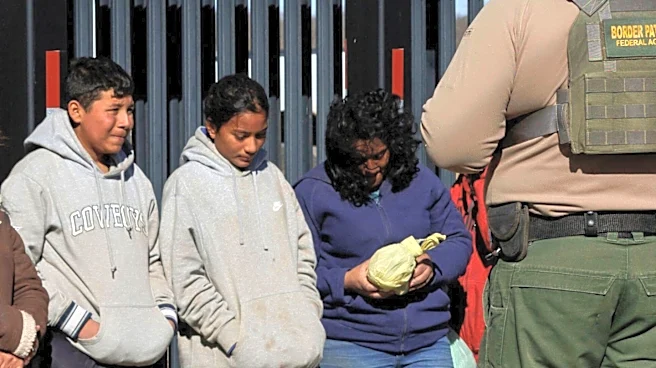
outcry and legal scrutiny. The American Civil Liberties Union (ACLU) has reported numerous instances of misconduct by immigration agents, highlighting a culture of abuse and a lack of accountability. The Supreme Court's past decisions have limited the ability of individuals to sue federal agents for constitutional violations, contributing to a perceived lack of accountability for ICE agents. The ACLU's report calls for legislative action to address these issues and ensure that immigration agents are held accountable for their actions.
Why It's Important?
The lack of accountability for ICE agents has significant implications for civil rights and public trust in law enforcement. The Supreme Court's decisions limiting the ability to sue federal agents for constitutional violations have created a legal environment where misconduct can occur with little consequence. This situation undermines public confidence in immigration enforcement and raises concerns about the protection of individual rights. Addressing these issues is crucial for ensuring that immigration enforcement is conducted lawfully and ethically, and for restoring public trust in the agencies responsible for enforcing immigration laws.
What's Next?
The ACLU's report and the recent incidents involving ICE agents may prompt calls for legislative reform to enhance accountability mechanisms for federal agents. Congress could consider passing laws that allow individuals to seek redress for constitutional violations by federal agents, thereby addressing the gaps in accountability highlighted by the Supreme Court's decisions. Additionally, increased oversight and transparency in immigration enforcement practices could help prevent future incidents of misconduct and improve public trust in the system. Stakeholders, including lawmakers, advocacy groups, and the public, will need to engage in discussions about the best ways to balance effective immigration enforcement with the protection of civil rights.