






What's Happening?
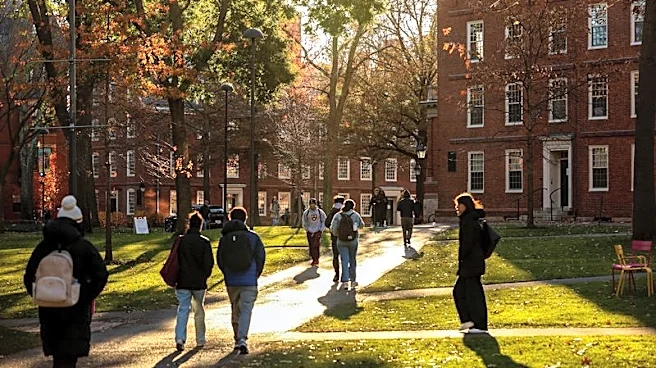
Two Massachusetts men, Logan David Patterson, 19, and Dominick Frank Cardoza, 21, have avoided jail time after pleading guilty to setting off fireworks inside an empty Harvard Medical School building. The incident, which occurred last year, involved the
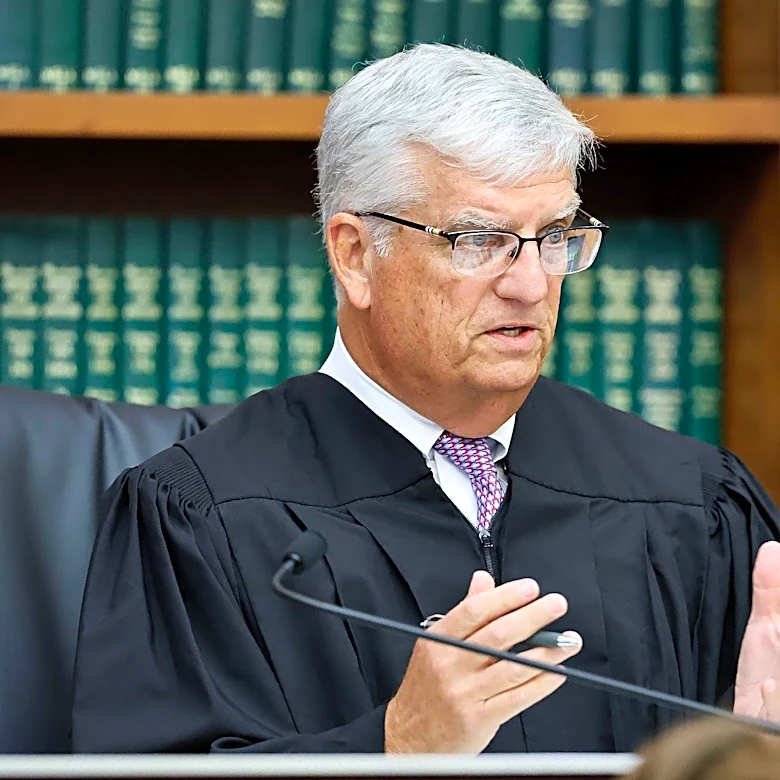
pair breaking into the Goldenson Building, setting off a firework before dawn, and then fleeing. Federal officials stated that the explosion caused significant property damage and public alarm, leading to a large law enforcement response. Despite the seriousness of the act, U.S. District Judge Angel Kelley sentenced them to three years of probation, 300 hours of community service, and a fine of $28,517 to be paid jointly. The judge denied the government's request for six months of home confinement, believing the harsh consequences of the conviction were sufficient deterrent. Neither defendant had a prior criminal record. Their lawyer described the incident as 'mischief that went way out of control,' emphasizing it was not a terrorist attack.
Why It's Important?
This case highlights the legal and societal response to acts of vandalism and public disturbance, particularly when they occur at prominent institutions like Harvard University. The decision to impose probation and community service rather than jail time for a felony offense involving property damage and public alarm could set a precedent for similar cases, influencing how courts balance punitive measures with rehabilitation, especially for young, first-time offenders. The incident also underscores the heightened security concerns on college campuses, even for seemingly isolated acts. The financial penalty, coupled with a felony record, will have long-term implications for the defendants, potentially affecting their future employment and opportunities. The public's perception of justice in such cases, particularly concerning the safety and security of educational institutions, remains a critical aspect of this outcome.
What's Next?
Patterson and Cardoza will now begin their three-year probation period, during which they must complete 300 hours of community service and pay their share of the $28,517 fine. They are also required to write a letter of apology to Harvard. The felony record they now carry will likely impact their lives for a significant period, potentially affecting their ability to secure certain jobs or pursue higher education. Harvard University, which did not immediately comment on the sentencing, may continue to review its security protocols to prevent similar incidents. The broader legal community will likely observe this case as an example of judicial discretion in sentencing for non-violent felonies involving property damage and public disturbance, especially in cases where the defendants lack prior criminal histories.
Beyond the Headlines
The incident and subsequent sentencing raise questions about the balance between accountability and rehabilitation, particularly for young adults whose actions, while serious, may have been driven by immaturity rather than malicious intent. The lawyer's characterization of the event as 'mischief that went way out of control' points to a broader societal challenge of distinguishing between youthful recklessness and deliberate criminal acts. The public alarm caused by the explosion, despite no injuries, reflects the current climate of heightened security concerns, especially in educational settings. The long-term impact of a felony record on young individuals, even without jail time, can be profound, potentially limiting their future prospects and integration into society. This case serves as a reminder of the far-reaching consequences of seemingly 'harmless' actions and the complexities of the justice system in addressing them.