







What's Happening?
Recent developments in Germany and Japan indicate significant shifts in their postwar policies, driven by global security concerns and perceived US unpredictability. Germany has unveiled its first military strategy since World War II, focusing on rearmament
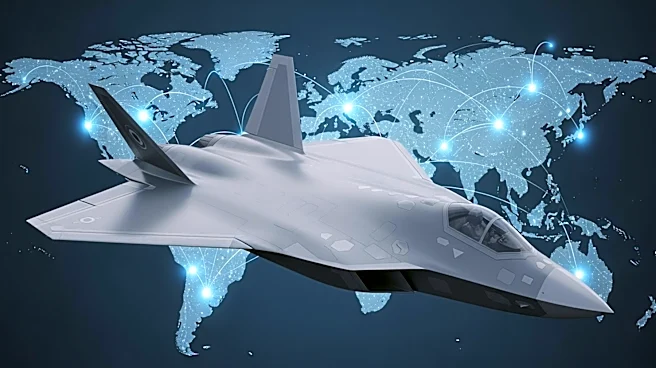
and national interests within NATO. Meanwhile, Japan has relaxed its export rules for lethal weapons, challenging its postwar pacifism. These changes come amid concerns about US commitment to NATO and rising authoritarian threats. The shifts reflect broader geopolitical realignments as countries reassess their security strategies in response to global tensions.
Why It's Important?
The evolving military strategies of Germany and Japan signal a potential reconfiguration of global alliances. As traditional US allies, their moves could influence NATO dynamics and regional security in Europe and Asia. The changes highlight the impact of US foreign policy under President Trump, which has prompted allies to reconsider their defense strategies. This could lead to increased military spending and a shift in global power balances. The developments also raise questions about the future of international cooperation and the role of diplomacy in addressing security challenges.