
What's Happening?
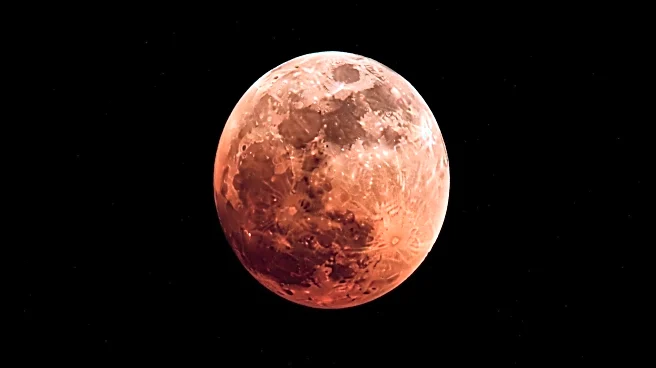
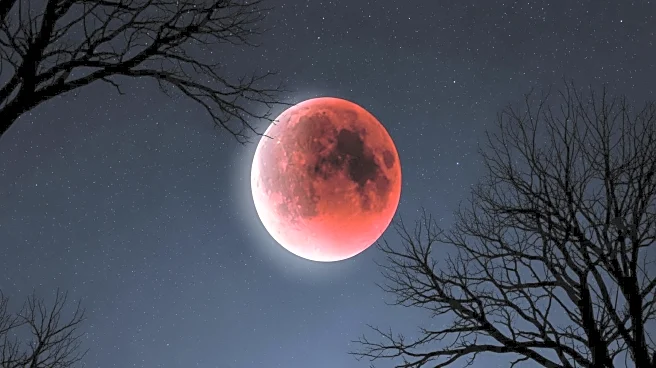
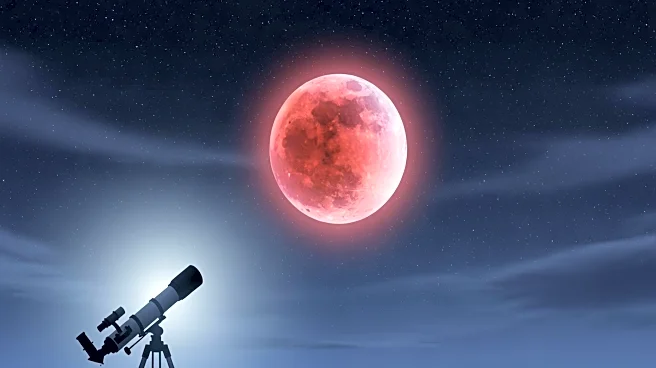
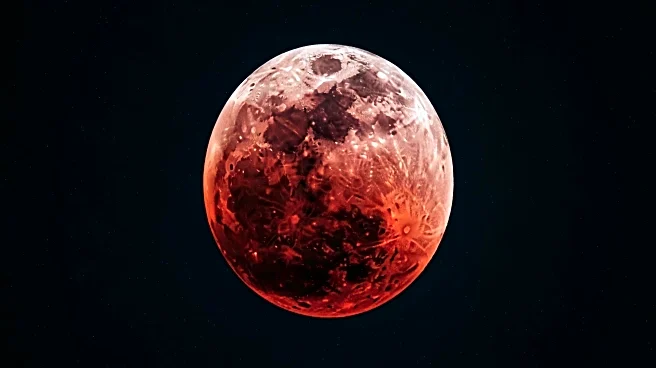
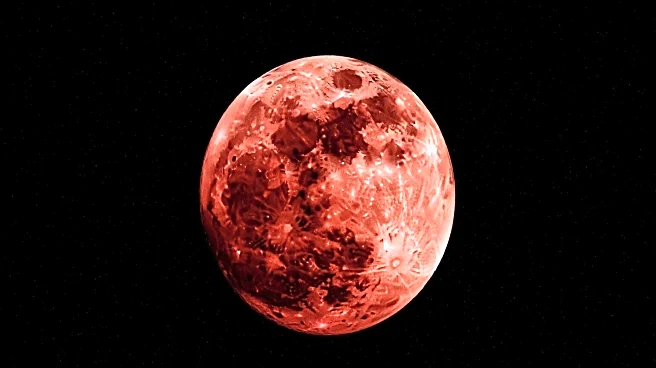
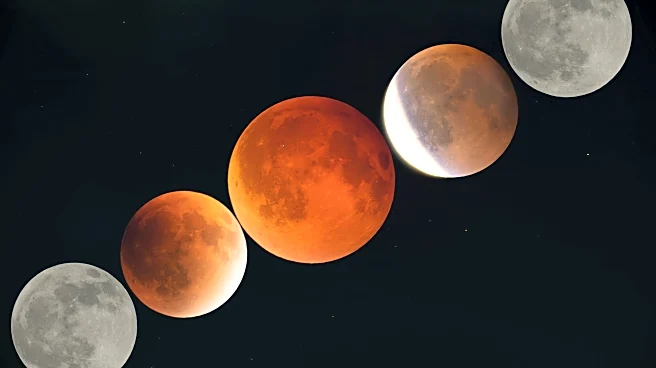
As the total lunar eclipse approaches on March 3, 2026, experts are providing guidance on how to best observe this celestial event. The eclipse will last for 58 minutes, with the full event spanning over five hours. For optimal viewing, binoculars or telescopes
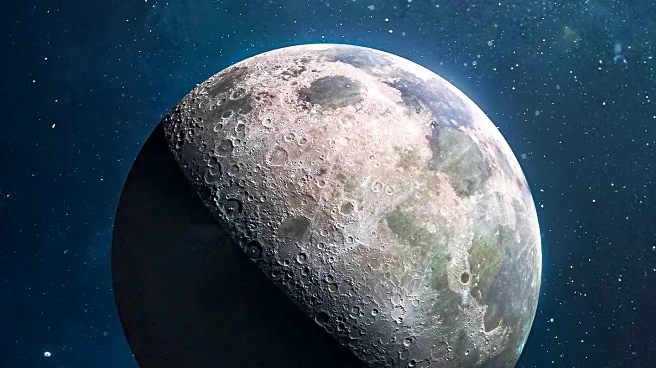
are recommended to enhance the experience, revealing details such as craters and mountain ranges on the moon's surface. The eclipse will be visible across North America, with the best views in the western regions. Observers are encouraged to find a location with a clear view of the sky and to prepare for changing light conditions during the eclipse.
Why It's Important?
The total lunar eclipse offers a rare opportunity for both amateur astronomers and the general public to engage with astronomy. By using binoculars or telescopes, viewers can gain a deeper appreciation of the moon's features and the dynamics of celestial events. This engagement can foster a greater interest in science and space exploration, encouraging educational pursuits in these fields. Additionally, the event serves as a reminder of the interconnectedness of celestial bodies and the natural phenomena that occur as a result of their alignments.