






What's Happening?
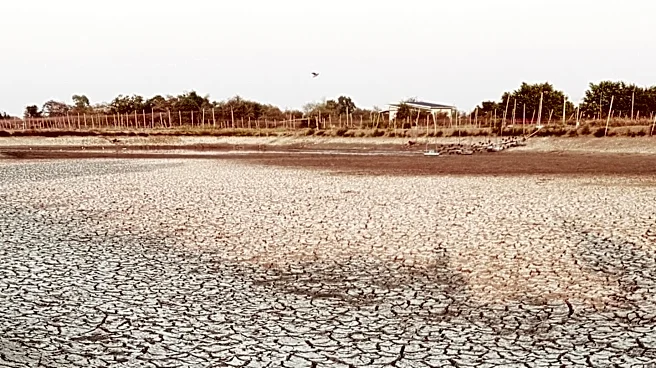
The city of Lakeland, Florida, has approved increased fines for violations of Southwest Florida Water Management District (SWFWMD) watering restrictions. This decision comes as the region continues to experience drought conditions and low water levels,
leading SWFWMD to extend its Phase 3 water shortage. Under the new city ordinance, the first violation will incur a $50 fine, the second a $200 fine, and subsequent violations can cost $500. Unlike previous policies, warnings will no longer be issued before fines are imposed, although residents will retain the right to appeal. The watering restrictions, which limit residents to watering plants one day a week, will remain in effect through October 1. City officials emphasize that these fines are avoidable if residents understand and adhere to their designated watering days and times, highlighting the collective effort needed to preserve water resources.
Why It's Important?
The implementation of stricter fines in Lakeland underscores the severity of the ongoing drought in Southwest Florida and the urgent need for water conservation. By eliminating warnings and increasing penalties, the city aims to enhance compliance with watering restrictions, which are crucial for managing dwindling water supplies. This measure reflects a broader concern among local authorities to protect essential resources for both agricultural and municipal use, as prolonged drought can significantly disrupt these sectors. The financial impact on residents who fail to comply could be substantial, serving as a strong deterrent. Furthermore, the emphasis on individual responsibility for water conservation highlights the community's role in mitigating the effects of climate-related challenges, promoting sustainable practices, and ensuring water availability for the future.
What's Next?
The stricter enforcement of watering restrictions in Lakeland will continue through October 1, aligning with the extended Phase 3 water shortage declaration by SWFWMD. Residents are encouraged to familiarize themselves with their specific watering schedules and adopt water-saving techniques, such as watering deeply and using water retention products, to avoid fines. While warnings are no longer issued, the appeal process for violations provides a mechanism for residents to address any disputes. The effectiveness of these increased fines in promoting water conservation will likely be monitored by city officials and SWFWMD. Depending on future rainfall and drought conditions, further extensions or modifications to water restrictions and enforcement policies may be considered to ensure the long-term sustainability of water resources in the region.
Beyond the Headlines
The situation in Lakeland reflects a growing trend across various U.S. regions facing water scarcity, where local governments are compelled to adopt more stringent measures to manage water resources. Beyond the immediate impact on residents and their landscaping practices, these policies signal a shift towards a more proactive and punitive approach to water conservation. The move away from warnings to immediate fines indicates a heightened sense of urgency regarding water availability. This could lead to broader discussions about urban planning, drought-resistant landscaping, and the development of alternative water sources. The long-term implications may include changes in consumer behavior, increased demand for water-efficient technologies, and a greater public awareness of the finite nature of water resources, potentially influencing future infrastructure investments and environmental policies aimed at climate resilience.