



What's Happening?
Representative Mark Takano (D-CA) introduced legislation in June aimed at increasing transparency in political campaign spending on social media. The proposed bill would require campaigns and political committees to disclose payments made to social media influencers,
mirroring existing disclosure requirements for traditional campaign advertising. This move comes in response to a growing trend where political campaigns are increasingly utilizing social media personalities to promote candidates online, often without public disclosure of these financial arrangements. A New York Times investigation highlighted instances where influencers received payments from campaigns, sometimes leading to a shift in their public stance on candidates. The investigation also revealed that some campaigns have explicitly advised influencers against disclosing payments, and that compensation is frequently channeled through multiple layers of vendors, further obscuring the source of funds. The current federal law does not mandate disclosure for political payments to influencers, and while the Federal Trade Commission requires disclosure for paid endorsements, it exempts political messaging.
Why It's Important?
This legislation addresses a significant gap in campaign finance transparency, as the undisclosed payment of social media influencers by political campaigns can mislead the public and undermine trust in political discourse. The practice allows campaigns to disseminate political messages that appear to be organic endorsements from independent personalities, rather than paid advertisements. This lack of transparency can distort public perception and influence voter behavior without citizens being fully aware of the financial motivations behind the content they consume. The bill seeks to level the playing field by ensuring that financial relationships between campaigns and influencers are openly declared, providing voters with crucial information to critically evaluate political content. The current regulatory environment, which exempts political messaging from disclosure requirements for paid endorsements, creates a loophole that campaigns exploit, making it difficult for the public to discern genuine opinions from paid promotions. This issue is particularly relevant given the pervasive role of social media in modern political campaigns and information dissemination.
What's Next?
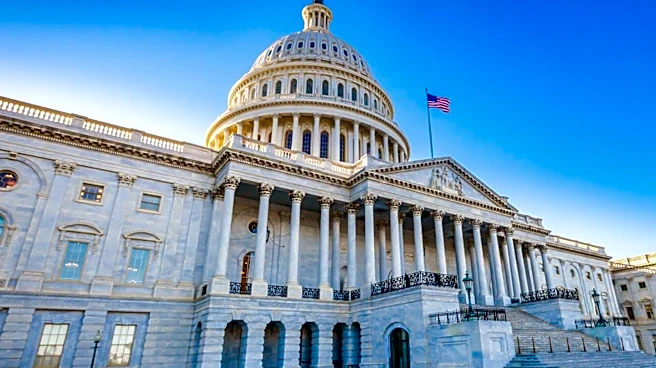
The proposed legislation by Representative Takano will likely undergo a legislative process, including committee review and potential debate in Congress. Its passage would necessitate the establishment of clear guidelines for campaigns and influencers regarding disclosure. However, Takano acknowledged that the bill, in its current form, may still contain potential loopholes, as campaigns could continue to obscure payments through intermediary vendors. This suggests that further refinement or additional regulatory measures might be required to fully address the issue of hidden political payments. The bill's introduction could also prompt discussions among regulatory bodies like the Federal Election Commission and the Federal Trade Commission about updating their policies to encompass the evolving landscape of digital political advertising. Additionally, the initiative by Rynn Reed, founder of Creator Congress, to introduce a voluntary code of conduct for influencers to disclose payments, regardless of legal requirements, indicates a growing awareness and push for self-regulation within the influencer community.
Beyond the Headlines
The issue of undisclosed political payments to social media influencers extends beyond mere campaign finance regulations; it touches upon fundamental questions of media ethics, digital literacy, and the integrity of democratic processes. The blurring lines between authentic content and paid promotion on social media platforms can erode public trust in information sources and make it increasingly difficult for individuals to distinguish between genuine grassroots movements and orchestrated political messaging. This phenomenon raises ethical concerns about the manipulation of public opinion and the potential for foreign or domestic actors to covertly influence elections. The challenge lies in creating regulations that are effective in a rapidly evolving digital landscape, without stifling free speech or innovation. The debate surrounding this legislation highlights the broader societal need for greater transparency in all forms of digital communication, especially when it pertains to political advocacy, to ensure an informed and engaged citizenry capable of making independent decisions.