


What's Happening?
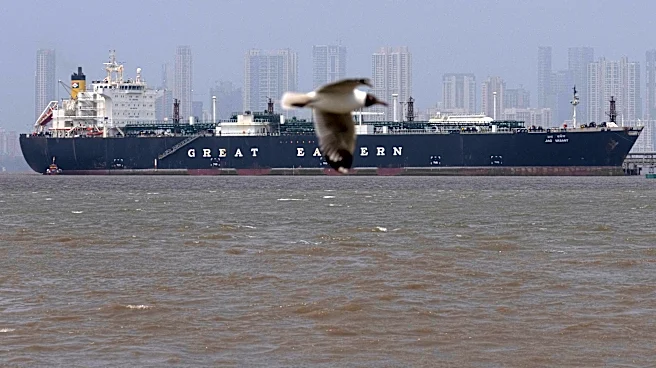
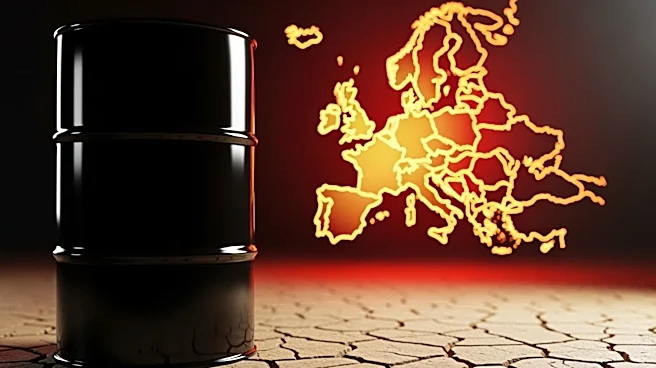
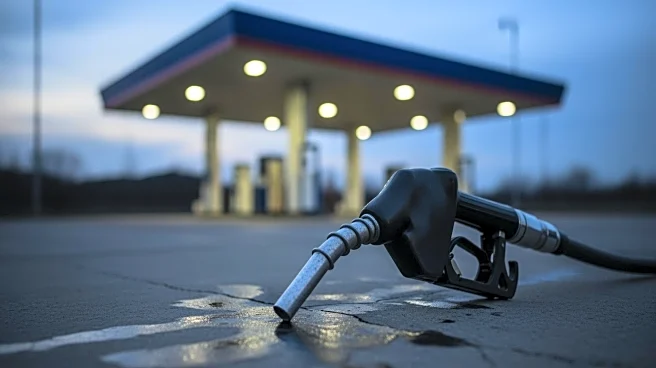
Myanmar is experiencing a severe fuel crisis as a result of the closure of the Strait of Hormuz following military actions by the US and Israel against Iran. This closure has disrupted the global oil supply, significantly affecting Asian countries that
rely heavily on oil and gas transported through the strait. In Myanmar, this has led to long queues at petrol stations and the implementation of fuel rationing policies by the military-backed government. The crisis is exacerbated by the ongoing civil war in Myanmar, which has been ongoing since May 2021.
Why It's Important?
The fuel crisis in Myanmar is a direct consequence of geopolitical conflicts impacting global oil supply chains. This situation highlights the vulnerability of countries dependent on oil imports and the broader economic implications of regional conflicts. The crisis could lead to increased economic instability in Myanmar, affecting transportation, industry, and daily life. It also underscores the interconnectedness of global energy markets and the potential for regional conflicts to have far-reaching economic impacts.
What's Next?
Myanmar's government may seek alternative fuel sources or negotiate with neighboring countries to alleviate the crisis. International organizations and neighboring countries might offer assistance or engage in diplomatic efforts to stabilize the situation. The ongoing civil war and political instability in Myanmar could complicate these efforts, potentially leading to prolonged economic challenges.